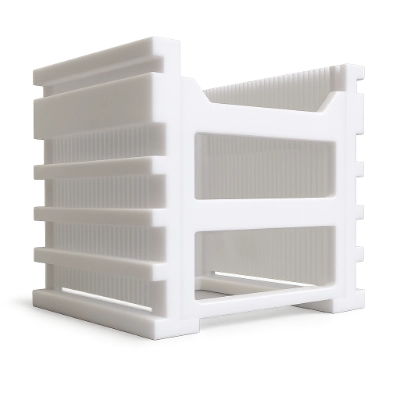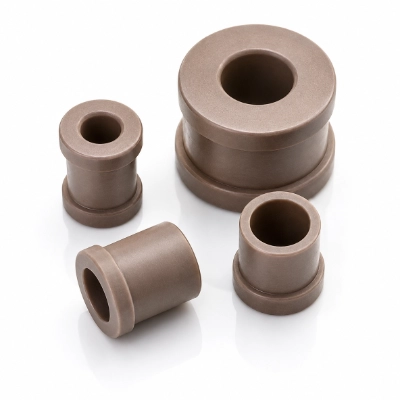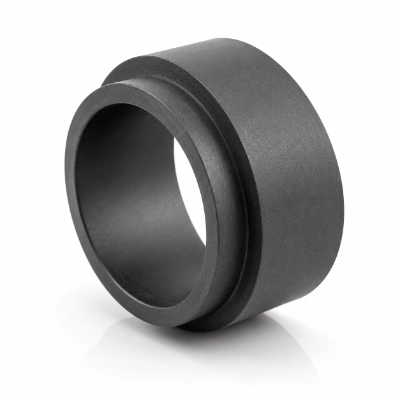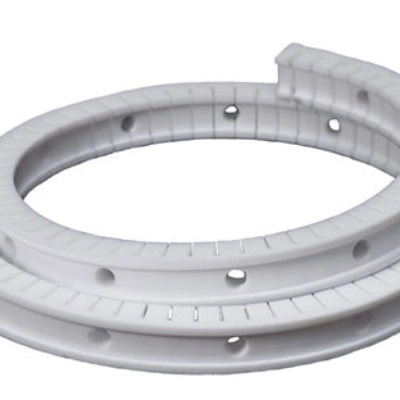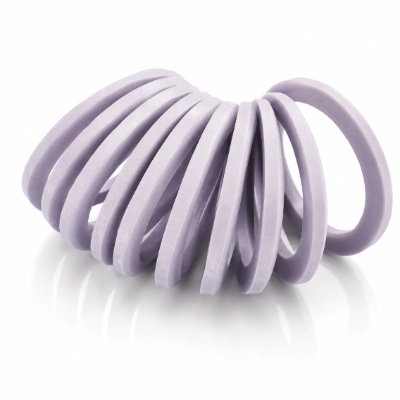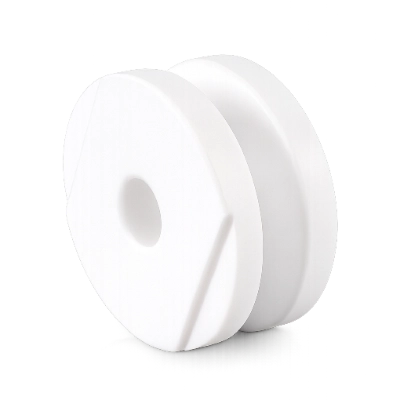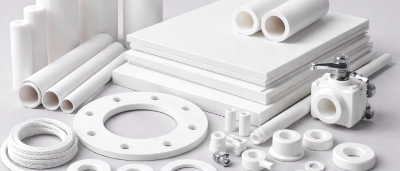
Polytetrafluoroethylene (PTFE) is one of the most reliable engineering plastics ever developed. Since its discovery in 1938, it has become a cornerstone material used in harsh operating conditions. PTFE performs where most materials fail. It resists corrosive chemicals, handles extreme temperatures, tolerates constant friction, and remains stable under mechanical stress.Because of this rare combination of PTFE properties, engineers commonly use it for seals, bearings, gaskets, liners, valve components, and precision-machined parts.
You’ll find PTFE across industries, including chemical processing, food manufacturing, mining, pharmaceuticals, electronics, and automotive production.This guide explains exactly what PTFE is, why it performs so well in demanding environments, and how specialised grades are engineered to meet different industrial needs.
PTFE Chemical Structure and Properties
PTFE’s exceptional performance begins at the molecular level. Its chemical structure forms long polymer chains written as:
-(CF2-CF2)-n
Each carbon atom is tightly surrounded by fluorine atoms, forming a protective molecular shield around the polymer backbone. This fluorine layer makes PTFE extremely stable. Most chemicals cannot penetrate or react with it, which explains why the material remains unaffected even in highly aggressive chemical environments.
This structure gives PTFE several remarkable properties:
- Exceptional chemical resistance
- Continuous operating temperatures up to about 260 °C
- Extremely low friction
- Natural non-stick behaviour
- Strong electrical insulation properties
In fact, PTFE has one of the lowest coefficients of friction of any solid material. Because of this, PTFE components can operate smoothly without external lubrication. In mechanical systems, that means reduced wear, lower maintenance, and fewer contamination risks.
Virgin PTFE
While virgin PTFE offers outstanding chemical resistance and friction properties, industrial environments often require greater mechanical strength. This is where filled PTFE grades come in.
Virgin PTFE is ideal when:
- Maximum chemical purity is required
- Non-stick performance is critical
- Electrical insulation is needed
These properties make virgin PTFE widely used in food processing, pharmaceutical manufacturing, laboratory equipment, and electrical systems.
Filled PTFE
Filled PTFE grades are engineered to improve mechanical performance. Reinforcing materials are blended into the polymer to enhance durability and load capacity.
Common fillers include:
- Glass: Improves rigidity, strength, and dimensional stability.
- Carbon: Reduces creep and offers excellent wear and chemical resistance.
- Graphite: Increases soft metal wear resistance and provides excellent conductivity.
- Bronze: Excellent creep and wear resistance with strong dissipation characteristics.
These modifications allow PTFE to perform in dynamic applications such as bearings, piston rings, valve seats, and sliding wear components.
Key Advantages of PTFE in Engineering Applications
Engineers choose PTFE because it solves problems that other materials cannot.
Extremely Low Friction
PTFE surfaces are naturally slippery. Components can slide or rotate smoothly without oils or greases, reducing wear and eliminating lubricant contamination in sensitive environments such as food processing or pharmaceuticals.
Wide Temperature Range
PTFE operates across one of the widest temperature ranges of any engineering plastic. It remains stable from cryogenic conditions near –200 °C up to continuous service temperatures of around 260 °C. Very few materials maintain mechanical integrity across this range.
Outstanding Chemical Resistance
PTFE resists almost every industrial chemical, including:
- strong acids
- alkalis
- solvents
- corrosive process fluids
This makes PTFE ideal for chemical containment systems, pumps, valves, and processing equipment.
Performance Improvements with Filled Grades
Filled PTFE materials improve mechanical performance without sacrificing PTFE’s key advantages. Glass, carbon, graphite, or bronze fillers increase wear resistance, reduce deformation under load, and extend service life in demanding mechanical systems.
Industrial Uses of PTFE (Polytetrafluoroethylene)
PTFE is widely used across industries where reliability, chemical resistance, and low friction are essential. Because PTFE can be moulded and then precision-machined into complex components, it is commonly used in pumps, valves, processing equipment, and industrial machinery.
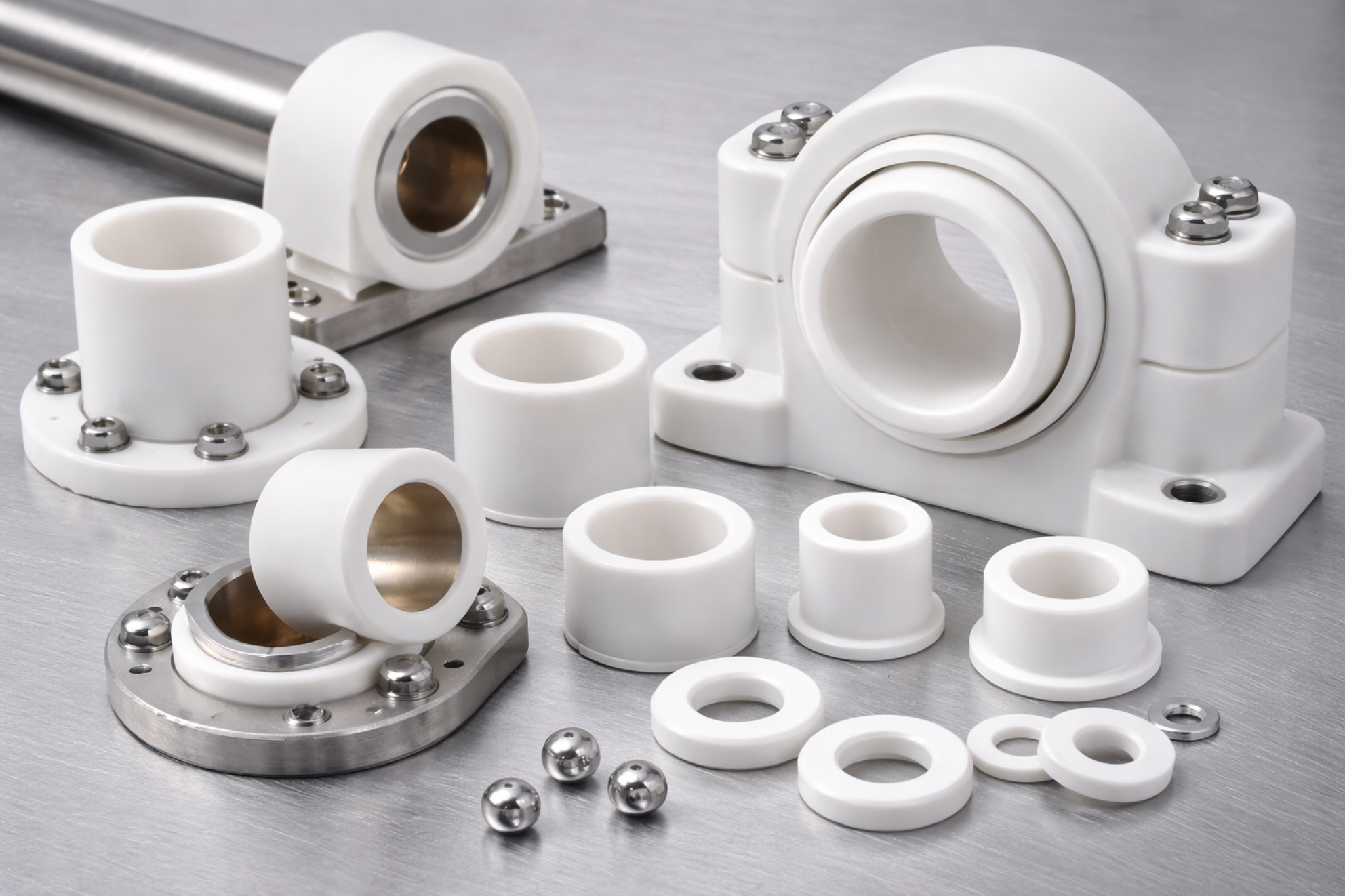
Bearings and Bushings
PTFE’s extremely low friction makes it ideal for sliding and rotating components. Many PTFE bearings operate without lubrication, reducing maintenance while preventing contamination in sensitive environments. Dotmar has specifically designed and unique PTFE bearing grades known as Ticomp S, Ticomp BG and Ticomp HVM.
Chemical Pipe & Ducting Liners
Chemical processing systems often utilise PTFE liners in pipes and ducting. Its exceptional resistance to chemical attack enables it to handle highly aggressive media that would rapidly damage metals or conventional polymers, while its low-friction, non-stick surface helps prevent material build-up and fouling within the system.
Electrical Insulation
PTFE has excellent dielectric properties and remains stable at high temperatures. This makes it valuable for high-performance wiring, connectors, and semiconductor equipment.
Food and Pharmaceutical Equipment
PTFE is widely accepted for food-contact applications. Its non-reactive surface helps maintain hygienic processing environments and simplifies cleaning in food and pharmaceutical manufacturing.
Specialist and High-Tech Applications
PTFE also plays a role in advanced industries such as:
- Cryogenic engineering, where materials must survive extremely low temperatures
- Aerospace systems, where heat and chemical exposure are common
- Semiconductor manufacturing, which requires ultra-pure, chemically resistant materials
PTFE Stock Shapes for Machining
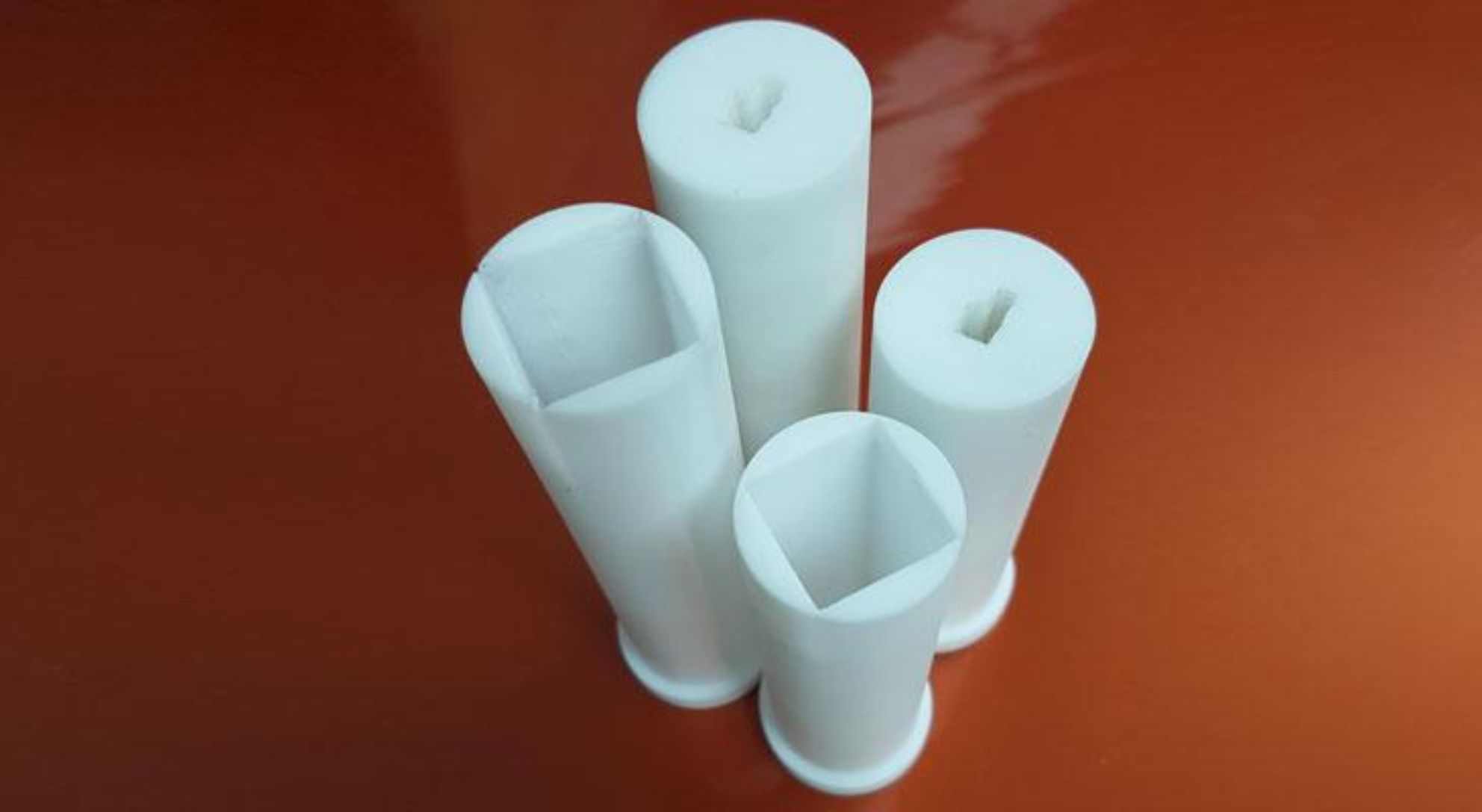
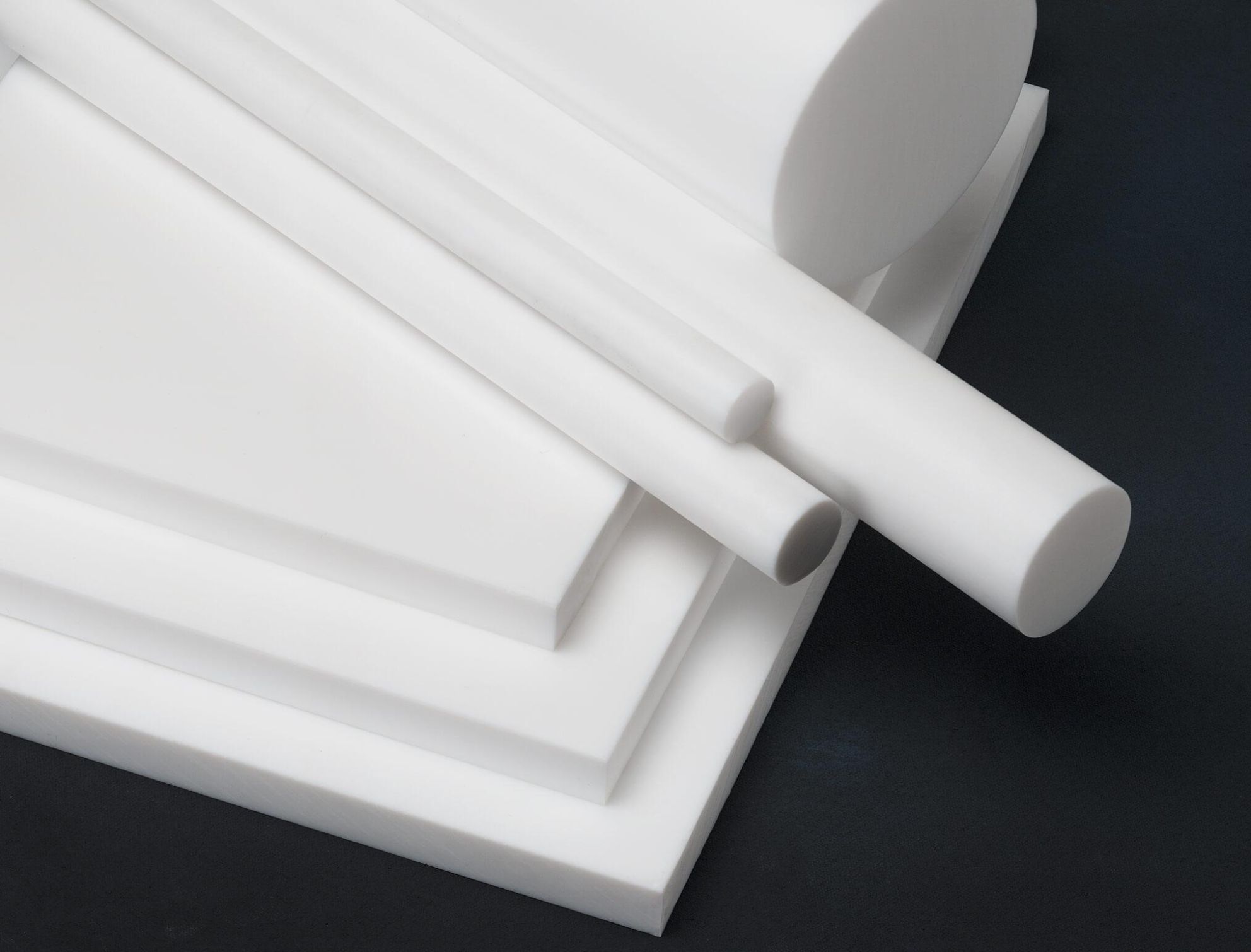
For engineers and fabricators, PTFE is commonly supplied as rod, sheet, and tube stock. These shapes can be machined into custom components, including seals, bearings, guides, and wear surfaces. In Australia, advanced PTFE materials are available through Dotmar Engineering Plastics, which supplies several specialised PTFE product families, including:
- Tetron – conventional virgin and filled PTFE grades
- Ticomp – reinforced PTFE composites for wear applications
- Tetco – modified PTFE for high-purity processing environments
Each family is engineered to address specific mechanical or chemical performance requirements.
Is PTFE Safe? Toxicity, Health, and Environmental Concerns
PTFE is sometimes misunderstood due to confusion with chemicals historically used in its manufacture. In its final form, PTFE is chemically inert and stable. It holds FDA “Generally Recognised as Safe” (GRAS) status for food contact, meaning it does not migrate into food products.
Is PTFE Toxic?
No. Solid PTFE is non-toxic and chemically stable. It does not react with food, water, or most industrial chemicals.
Is PTFE Harmful?
Under normal operating conditions, PTFE remains stable and safe. Most industrial applications operate well below its maximum service temperature of around 260 °C.
Are PTFE Pans Safe?
PTFE is also used in non-stick cookware commonly known as Teflon. Modern PTFE cookware is PFOA-free, as the chemical once used during manufacturing was phased out globally after 2013.
Can PTFE Cause Cancer?
There is no scientific evidence linking PTFE itself to cancer. Historical concerns related to PFOA, a manufacturing chemical that is no longer used in modern PTFE production. For industrial applications, PTFE remains widely accepted for food processing, pharmaceutical manufacturing, and medical equipment.
PTFE Grades and Variants: Virgin vs. Filled
Different PTFE grades are engineered to optimise properties such as purity, wear resistance, conductivity, or load capacity. The table below summarises Dotmar Engineering Plastics' PTFE product range and data sheets, highlighting key material properties and typical uses.
| Product | Grade | Key Properties | Typical PTFE Uses |
|---|---|---|---|
| Tetron S | Virgin PTFE | Excellent chemical resistance Extremely low friction FDA compliant (food safe) Continuous service to 260 °C | Gaskets and tapes Mechanical seals Electrical insulators Bridge bearing pads Laboratory equipment Tank and pipe linings |
| Tetron G | Glass-filled PTFE | Improved strength and creep resistance Higher wear resistance Electrical properties largely unchanged | Piston rings Valve seats Shaft seals Electrical insulators Bridge and pipe bearing pads |
| Tetron C | Carbon-filled PTFE | Reduced creep Higher hardness Excellent wear resistance Good thermal and electrical conductivity | Piston seal wear bands Sleeves Bearing rings (pumps) Bushes Valve seats Non-lubricated piston rings |
| Tetron B | Bronze-filled PTFE | Excellent creep and wear resistance Strong thermal and electrical dissipation | Piston rings Bushes - Bearings Linear bearings and guides Wear bands and strips Seals - Hydraulic systems |
| Tetron GR | Glass + graphite PTFE | Improved wear against soft metals Chemically inert Extrusion resistant Enhanced sliding High thermal and electrical conductivity | High-speed sliding bearings Seal rings Compressor rings Pump bearings Rod and piston seals |
| Ticomp S | Reinforced fluoro- polymer composite | Chemical resistance similar to virgin PTFE Thermal stability to ~210 °C under load Low friction High ductility FDA-approved alloy constituents | High-duty seals Low deformation gaskets Bearings at up to 240 °C |
| Ticomp BG | Bearing grade PTFE composite | High-temperature creep resistance Improved hardness Good chemical resistance Good thermal and electrical conductivity | Bearings Bearing pads Piston rings (non-lubricated) |
| Ticomp HVM | High velocity wear compound | Continuous use to 250 °C Excellent wear resistance High thermal conductivity Dry-running capability | Conveyor Skirts Impact Bar / Cradle Liners Conveyor Belt Support Bars Wear Strips / Guide Rails Sliding Parts or Guiding Elements (dry running) |
| Ticomp MD | Metal detectable PTFE | Food-contact compliant (EU 10/2011) Detectable by X-ray/metal detection Easy to machine | Piston Rings Valve Seats Shaft Seals Bridge & Pipe Bearing Pads Gaskets |
| Tetco V | Modified virgin PTFE | Excellent weldability Low deformation under load Low permeability High dielectric strength | Ball valve seats Electrical insulators Tank & Pipe linings Bushes & Bearings Semiconductor processing parts |
Dotmar PTFE Quick Selection Guide
| Application Requirement | Recommended Grade Type |
|---|---|
| Maximum chemical purity and lowest friction | Tetron S or Tetco V |
| Food or pharmaceutical processing | Tetron S, Ticomp MD |
| Bearings and bushings | Ticomp S, Ticomp BG |
| High wear resistance | Tetron G, Tetron GR |
| Heavy-load hydraulic components | Tetron B |
| Anti-static or conductive components | Tetron C |
| High-speed conveyors and sliding surfaces | Ticomp HVM |
Frequently Asked Questions
| Is PTFE the same as Teflon? | Yes. Teflon is simply a brand name for PTFE originally developed by DuPont. |
|---|---|
| Is PTFE plastic or rubber? | PTFE is a high-performance thermoplastic, compared to rubbers that are elastomers. |
| What is PTFE? | PTFE stands for polytetrafluoroethylene, a fluoropolymer known for its chemical resistance, low friction, electrical insulation, and heat tolerance. |
| Can you 3D print PTFE? | Direct 3D printing of PTFE is uncommon due to its high processing temperature and material behaviour. Most parts are machined from moulded PTFE stock. |