Understanding the Difference Between 3 distinct UHMWPE Grades
When it comes to wear-resistant engineering plastics, few materials are as widely recognised as Ultra High Molecular Weight Polyethylene (UHMWPE). Known for its exceptional abrasion resistance, low coefficient of friction and impact toughness, UHMWPE has become a go-to material across industries ranging from bulk handling and food processing to mining and transport.
But not all UHMWPE grades are created equal.
At Dotmar, the Polystone® range offers specialised UHMWPE solutions designed to solve very different engineering challenges. Understanding the differences between these grades is critical to selecting the right material for performance, safety and longevity.
This spotlight explores three advanced UHMWPE grades available from Dotmar:
Each grade is based on premium 9.2 million g/mol UHMWPE — significantly higher than the typical ~5 million g/mol UHMWPE commonly available in the market. UHMWPE performance is heavily influenced by molecular weight. The higher the molecular weight, the greater the wear life, abrasion resistance and impact performance.
1. Polystone M 7000 – Premium Natural UHMWPE
Australian Product Page
New Zealand Product Page
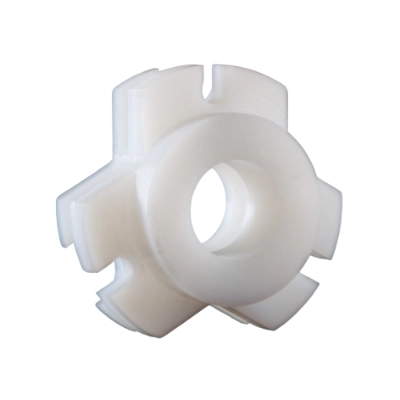
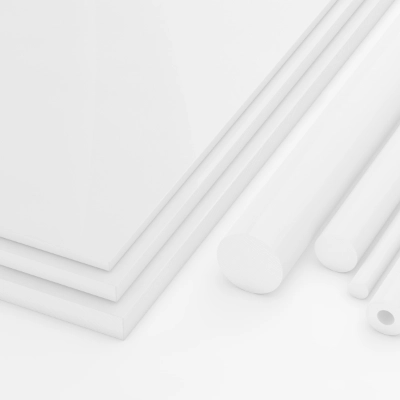
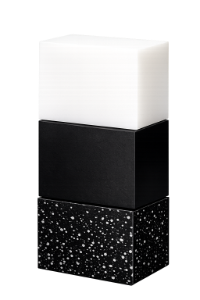
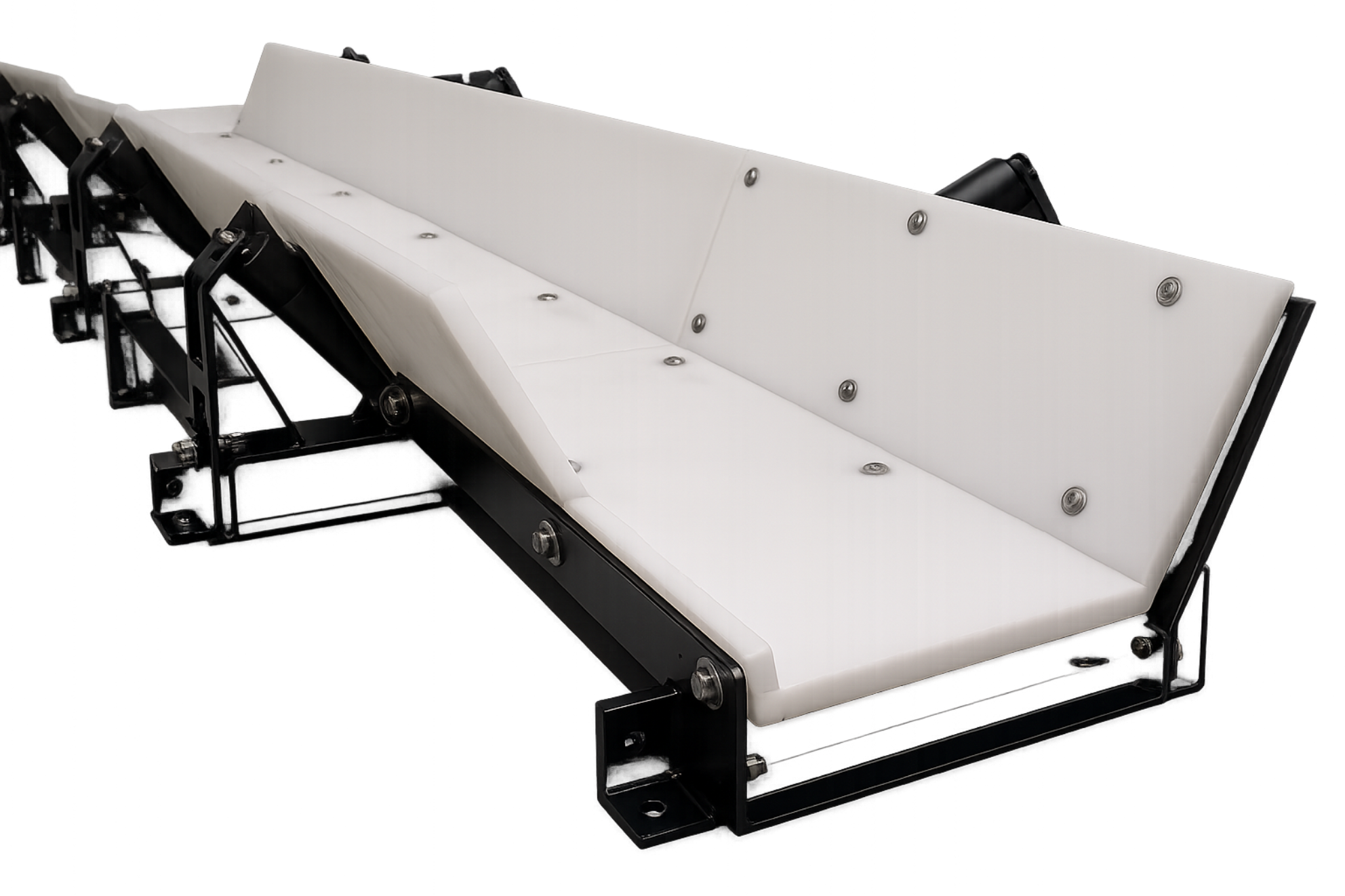
Polystone M 7000 is the standard premium grade within the range. Natural in colour (white), this material is designed for high wear applications where static control or flame retardancy are not required.
It offers the traditional benefits UHMWPE is known for:
- Exceptional abrasion resistance
- Extremely low friction
- Excellent impact strength
- Very good chemical resistance
- Suitable for food and general industrial applications
- Cost-effective compared to specialised grades
Limitations
- Can generate and retain static electricity
- Not suitable for explosive dust or gas environments
- Not flame retardant
- Limited UV resistance for prolonged outdoor exposure
Typical Applications
- Conveyor wear liners
- Chain guides
- Food processing components
- Wear strips
- General sliding parts
2. Polystone M 7000 AST – Anti-Static UHMWPE
Australian Product Page
New Zealand Product Page
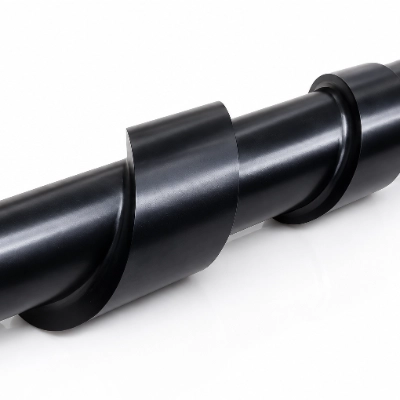
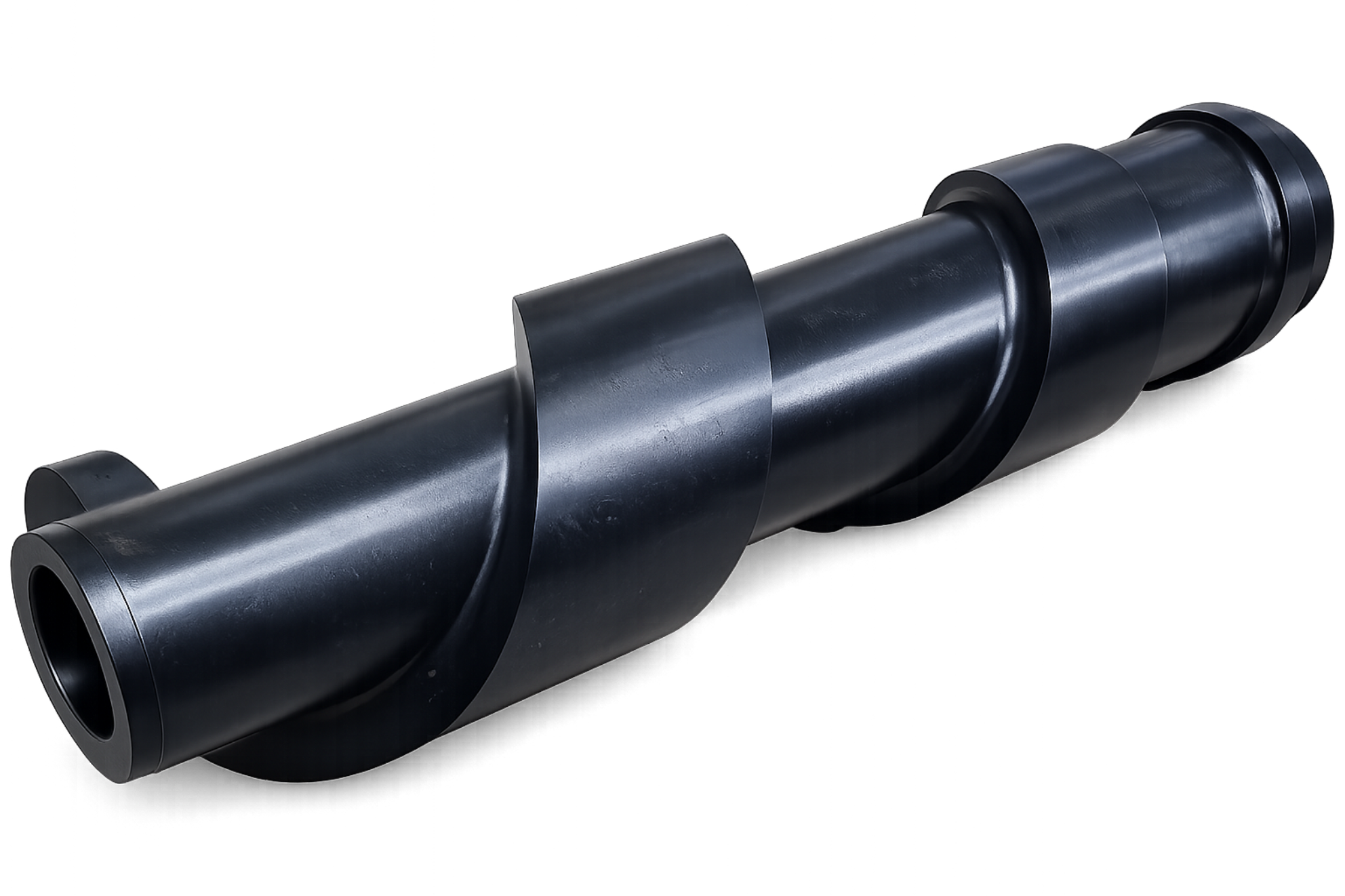
Polystone M 7000 AST builds on the wear performance of standard Polystone M 7000 by incorporating anti-static properties.
Static electricity is created by the build-up of electrical charge on a material’s surface. In many industrial environments, uncontrolled static discharge can create serious operational and safety risks.
Why Static Build-Up Matters
Static discharge can
- Ignite combustible dust or gases
- Cause sparks in hazardous environments
- Damage sensitive electronic equipment
- Increase dust and powder build-up on surfaces
- Create material flow and hang-up issues
The anti-static additive helps dissipate surface charge, reducing the risk of static accumulation.
Advantages
- All the wear benefits of premium UHMWPE
- Reduced static build-up
- Improved material flow in powder handling applications
- Safer operation in static-sensitive environments
- Helps minimise dust attraction
Limitations
- Not flame retardant
- May not satisfy underground mining FRAS requirements
Typical Applications
- Grain handling
- Powder conveying
- Bulk material handling
- Static-sensitive industrial equipment
- Dust-prone conveying systems
3. Polystone M Flametech AST – FRAS UHMWPE
Australian Product Page
New Zealand Product Page
Polystone M Flametech AST is a specialised grade in the range, combining both anti-static and flame-retardant technology into a single UHMWPE material.
This combination is commonly referred to as FRAS — Fire Retardant Anti-Static.
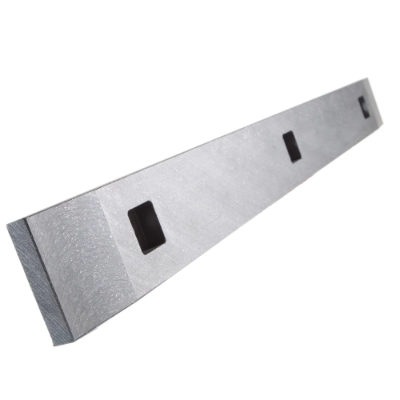
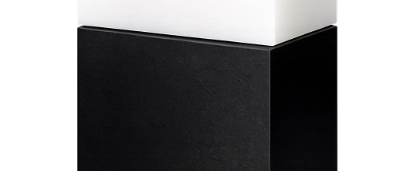
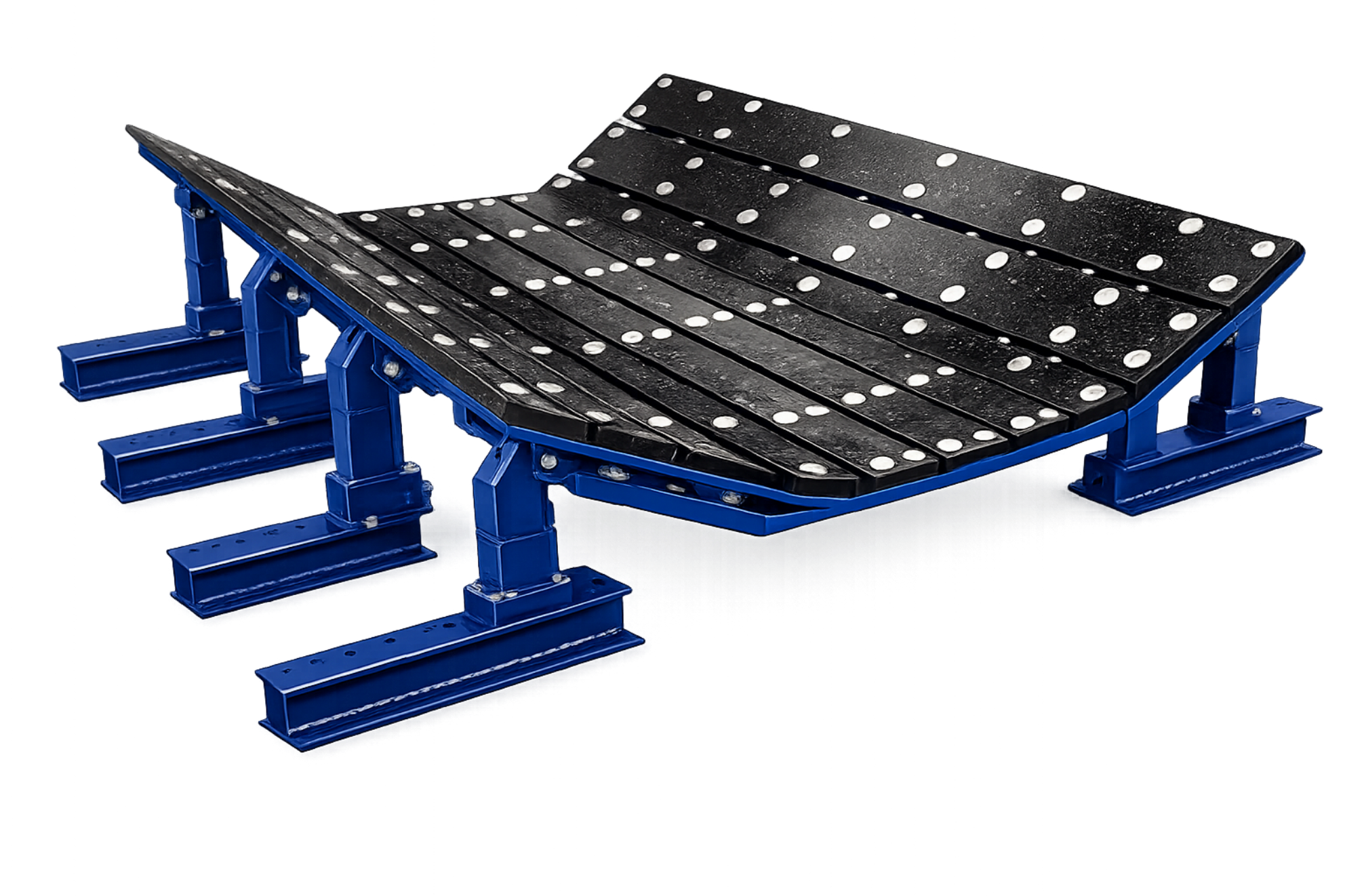
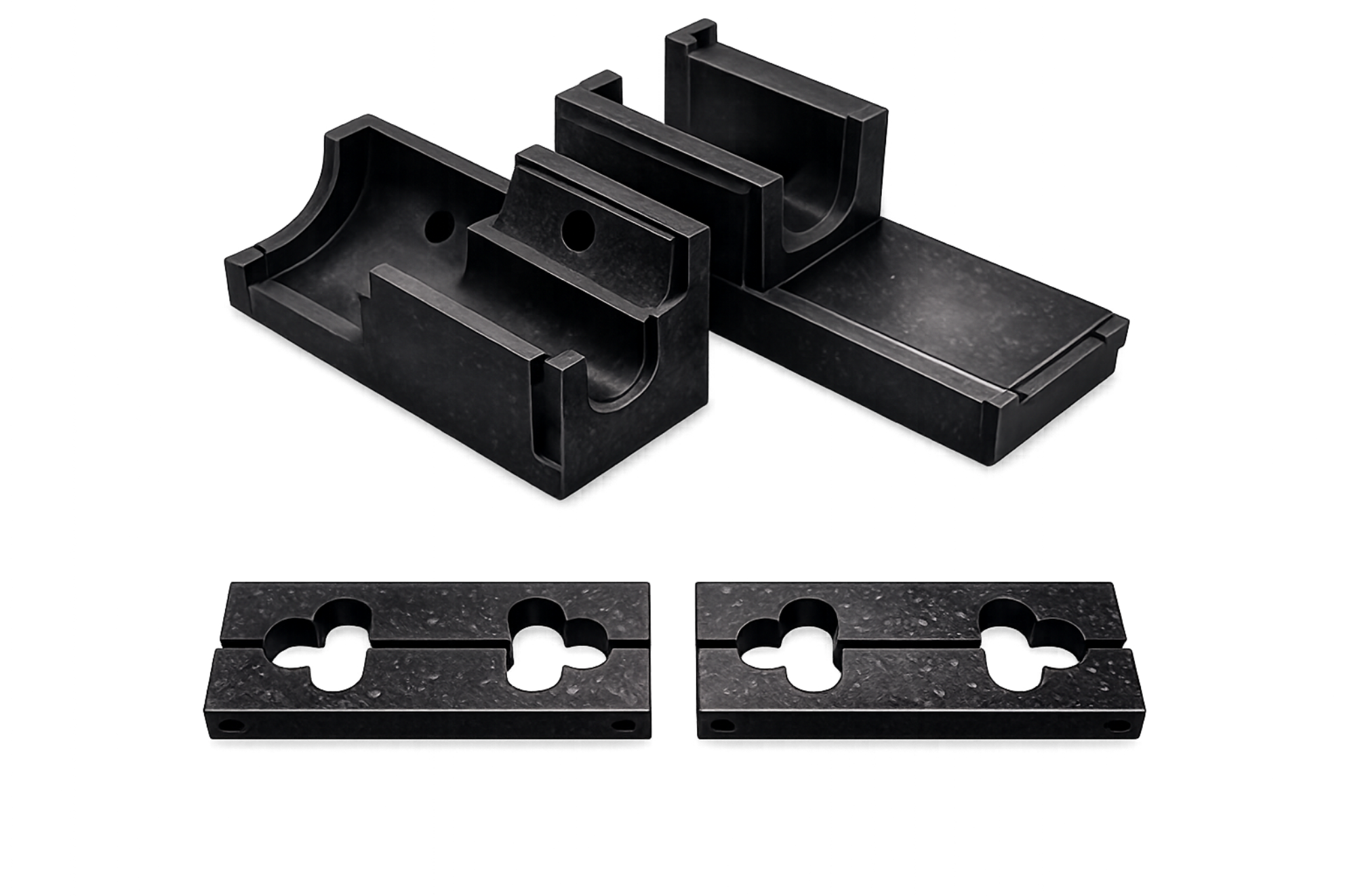
The material is black with a flecked appearance and is specifically engineered for hazardous and underground coal mining environments.
Importantly, this material meets Australian Mining Standard MDG-3608, making it uniquely positioned within the Australian and New Zealand market.
Advantages
- Anti-static properties reduce spark risk
- Flame-retardant formulation improves fire safety
- Meets MDG-3608 mining requirements
- Excellent wear resistance
- Ideal for explosive environments
- Unique offering with limited market alternatives
Limitations
- Higher cost than standard UHMWPE grades
- More specialised application range
Typical Applications
- Underground coal mining
- Explosive dust environments
- Conveyor impact beds slider bars
- Venturi systems
- Mining wear liners
- Rail and transport safety components
Quick Comparison
Property | Polystone M 7000 | Polystone M 7000 AST | Polystone M Flametech AST |
Colour | Natural/White | Black | Black with fleck |
Molecular Weight | 9.2m g/mol | 9.2m g/mol | 9.2m g/mol |
Wear Resistance | Excellent | Excellent | Excellent |
Anti-Static | No | Yes | Yes |
Flame Retardant | No | No | Yes |
MDG-3608 Compliant | No | No | Yes |
Best for | General Wear | Static-sensitive environments | Hazardous & mining environments |
Choosing the Right Grade
Material selection should always begin with understanding the application environment.
Questions worth asking include:
- Is static build-up a risk?
- Is the environment explosive or dust-prone?
- Are flame-retardant properties required?
- Is abrasion resistance the primary concern?
- Does the application require compliance with mining standards?
Selecting the correct UHMWPE grade can significantly improve operational safety, reduce downtime and extend component life.
Final Thoughts
UHMWPE is already recognised as one of the best-performing wear plastics available — but specialised grades take that performance even further.
While Polystone M 7000 provides exceptional all-round wear performance, Polystone M 7000 AST adds static dissipation for safer bulk handling environments, and Polystone M Flametech AST delivers a highly specialised FRAS solution for hazardous applications where safety compliance is critical.
Understanding the differences between these grades helps engineers, maintenance teams and designers specify the right material for the job — balancing wear life, safety and operational performance.