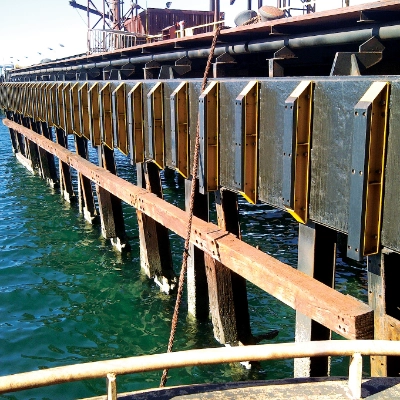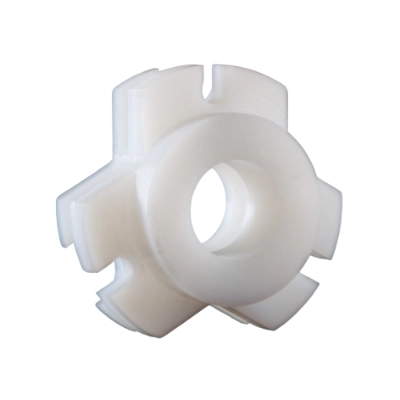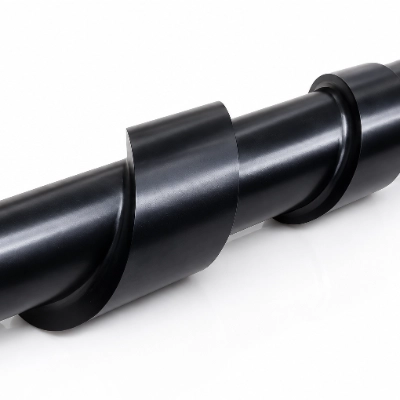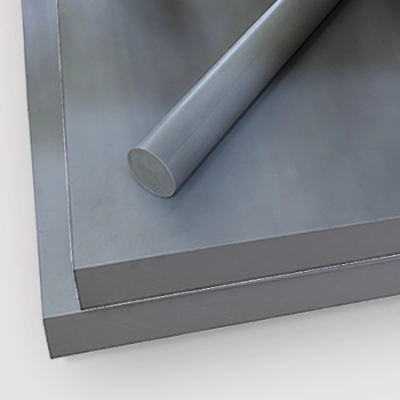
When it comes to engineering thermoplastics, few materials have earned the reputation of Nylon. While it may not claim the number one position in every individual property category, nylon consistently delivers an exceptional balance of strength, toughness, wear resistance, machinability and cost-performance, making it the “Great All-Rounder” of engineering thermoplastics.
This balance is why engineering grades of nylon continue to be trusted across industries ranging from manufacturing and materials handling through to mining, agriculture, food processing and lifting equipment.
Strong, Tough and Reliable
Nylon may not be the absolute strongest engineering thermoplastic, nor the toughest, but it combines both properties exceptionally well.
It offers very good mechanical strength to withstand high loads, while also maintaining excellent toughness to absorb impact. This is where nylon separates itself from some other highly impact-resistant plastics.
For example, materials such as UHMWPE may display impressive toughness values on technical data sheets, but under higher loads they can deform far more readily than nylon. Engineering nylon grades provide a much better balance between impact resistance and load-bearing capability.
This combination makes nylon ideal for heavily loaded components such as:
- Bearings and bushes
- Wear strips and wear pads
- Rollers and pulleys
- Guide components
- Wire rope sheaves
A unique Balance of Wear Resistance
One of nylon’s greatest strengths is its ability to perform well in both:
- Adhesion wear (bearing wear from smooth surface-to-surface contact)
- Abrasion wear (wear from rough or contaminated environments)
Many engineering plastics excel in one area but compromise heavily in the other.
For example:
- UHMWPE offers exceptional abrasion resistance but its performance in higher load and speed bearing applications can reduce rapidly as PV conditions increase.
- PETP performs extremely well in bearing wear applications but is less suited to abrasive environments compared with other engineering thermoplastics.
Nylon provides a highly effective middle ground, offering very good performance in both wear modes. This versatility allows it to succeed across a wide range of real-world operating conditions where multiple wear mechanisms are present simultaneously.
Excellent Friction Performance
Standard engineering nylons already provide favourable friction properties, however internally lubricated grades, such as Sustaglide, further enhance performance in dynamic applications.
Sustaglide is specifically designed for applications involving sliding movement, helping reduce friction, minimise wear and improve service life. It also delivers improved performance over traditional oil-filled nylons in demanding bearing and wear applications.
This makes it particularly suited to:
- Bearings and bushes
- Wear pads and wear strips
- Rollers and pulleys
- Slide and guide components
- Dynamic wear applications under load
Sustaglide
Outdoor Performance and UV Resistance
Engineering grades of nylon supplied by Dotmar also provide good UV resistance, allowing them to perform successfully in many outdoor applications exposed to full sunlight.
This makes nylon suitable for:
- Outdoor handling equipment
- Agricultural machinery
- Conveyor systems
- Mobile plant components
- Mining and quarrying applications
Specialised Nylon Variants for Demanding Applications
Another major advantage of nylon is the wide range of modified grades available to enhance specific performance characteristics.
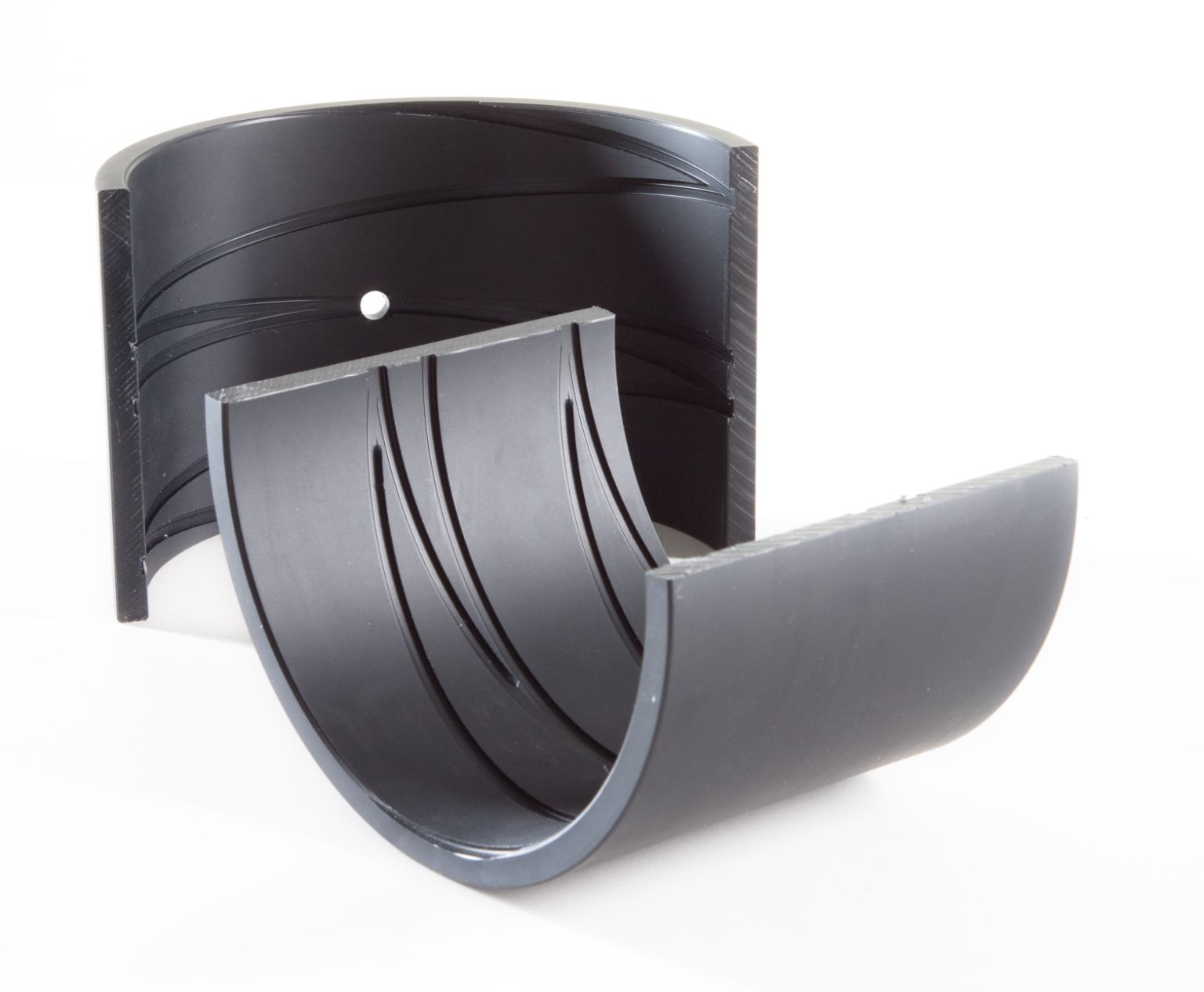
Heat Stabilised Nylon
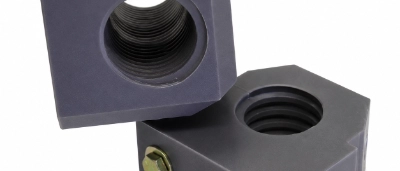
Heat stabilised grades, such as Sustamid 6G HS, improve long-term heat ageing resistance, helping components maintain performance in elevated temperature environments.
Sustamid 6G HS
Moly-Filled Nylon for Wire Rope Sheaves
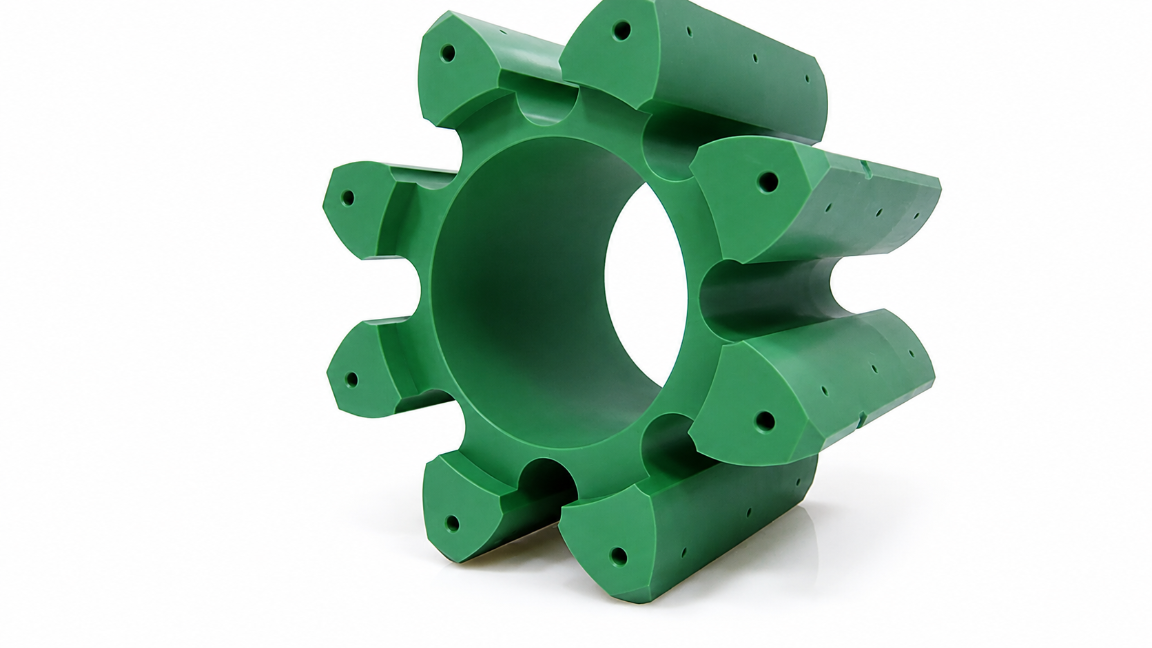
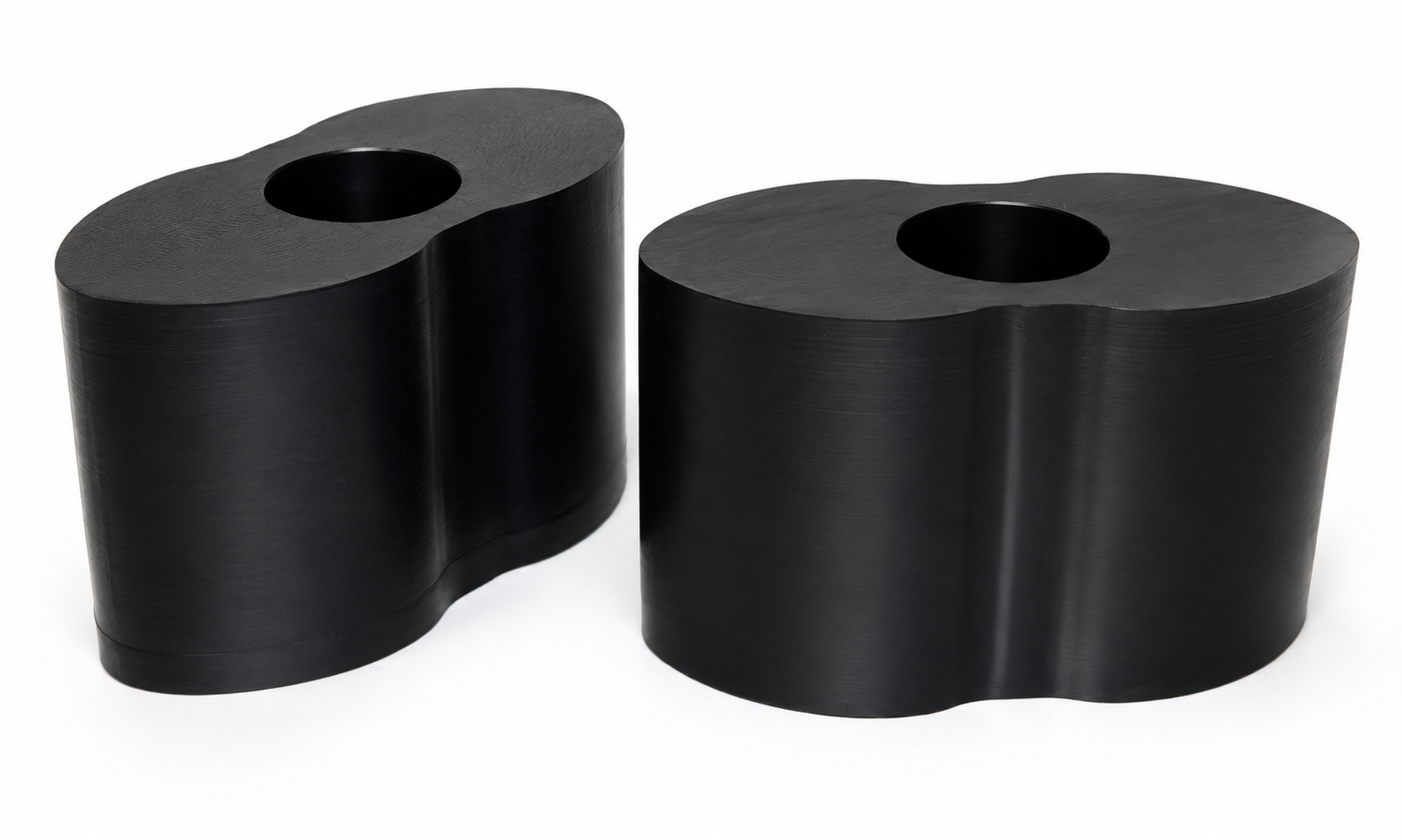
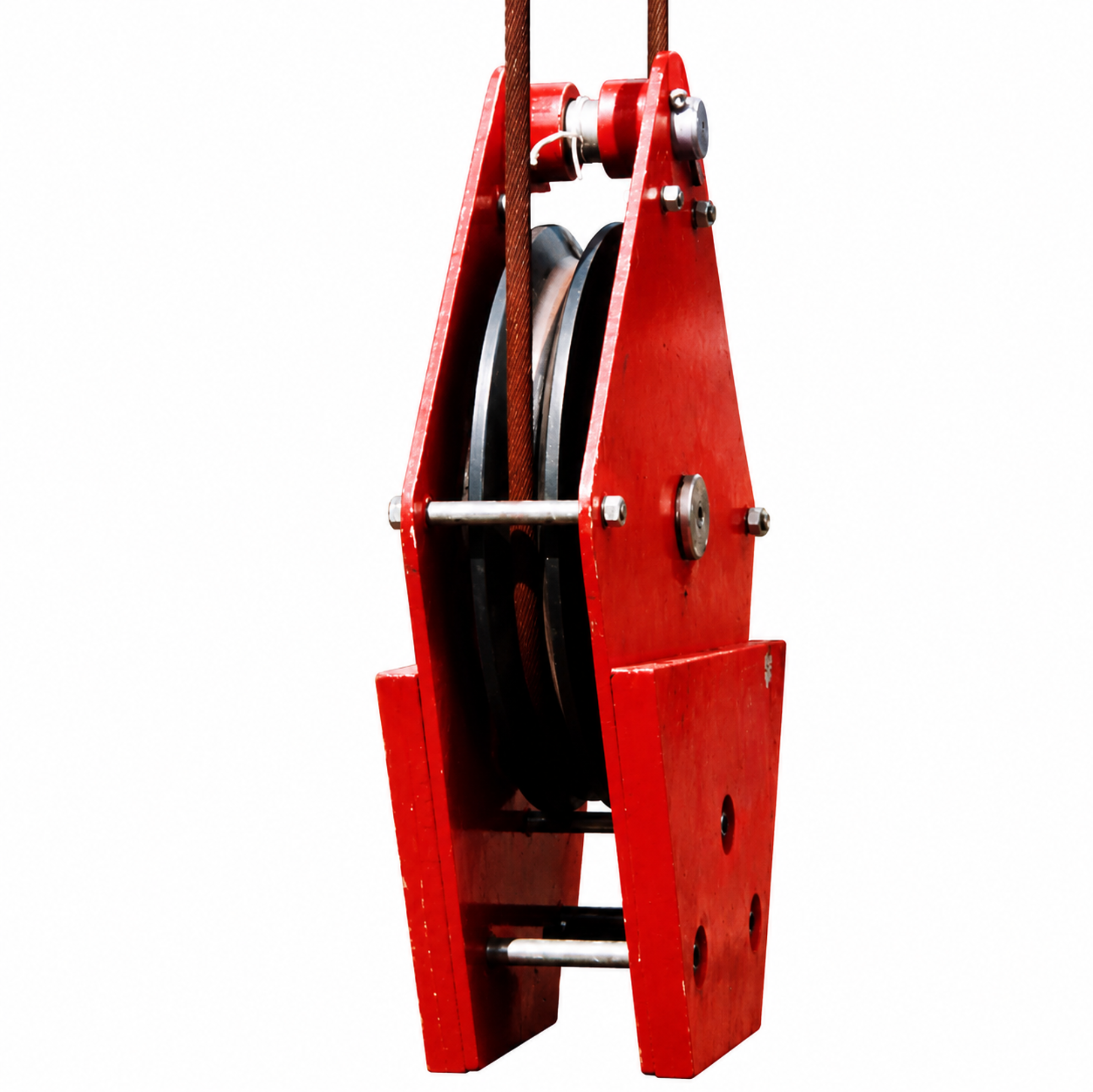
Molybdenum disulphide (MoS₂) filled nylon grades, such as Sustamid 6G MO, provide improved wear performance and load capability in highly loaded dynamic applications.
This material is particularly well suited to crane and lifting equipment wire rope sheaves, where it has proven to outperform traditional steel sheaves by:
- Reducing wire rope wear
- Lowering operating noise
- Reducing maintenance requirements
- Minimising corrosion concerns
- Lowering component weight
A Proven Performer Across Industries
The reason nylon continues to remain one of the world’s most widely used engineering thermoplastics is simple — it performs exceptionally well across an enormous range of applications.
While specialised materials may outperform nylon in individual categories, few can match its overall balance of:
- Strength
- Toughness
- Wear resistance
- Friction performance
- Machinability
- Outdoor capability
- Cost effectiveness
Sustamid 6G MO
For this reason, nylon remains the trusted choice for:
- Bearings and bushes
- Wear pads
- Heavily loaded wear strips
- Rollers and pulleys
- Guide rails
- Wire rope sheaves
- General engineering components
In engineering plastics, nylon truly earns its reputation as the “Great All-Rounder”.