Eliminating air permeation to improve pneumatic system efficiency in high-temperature aluminium smelting applications.
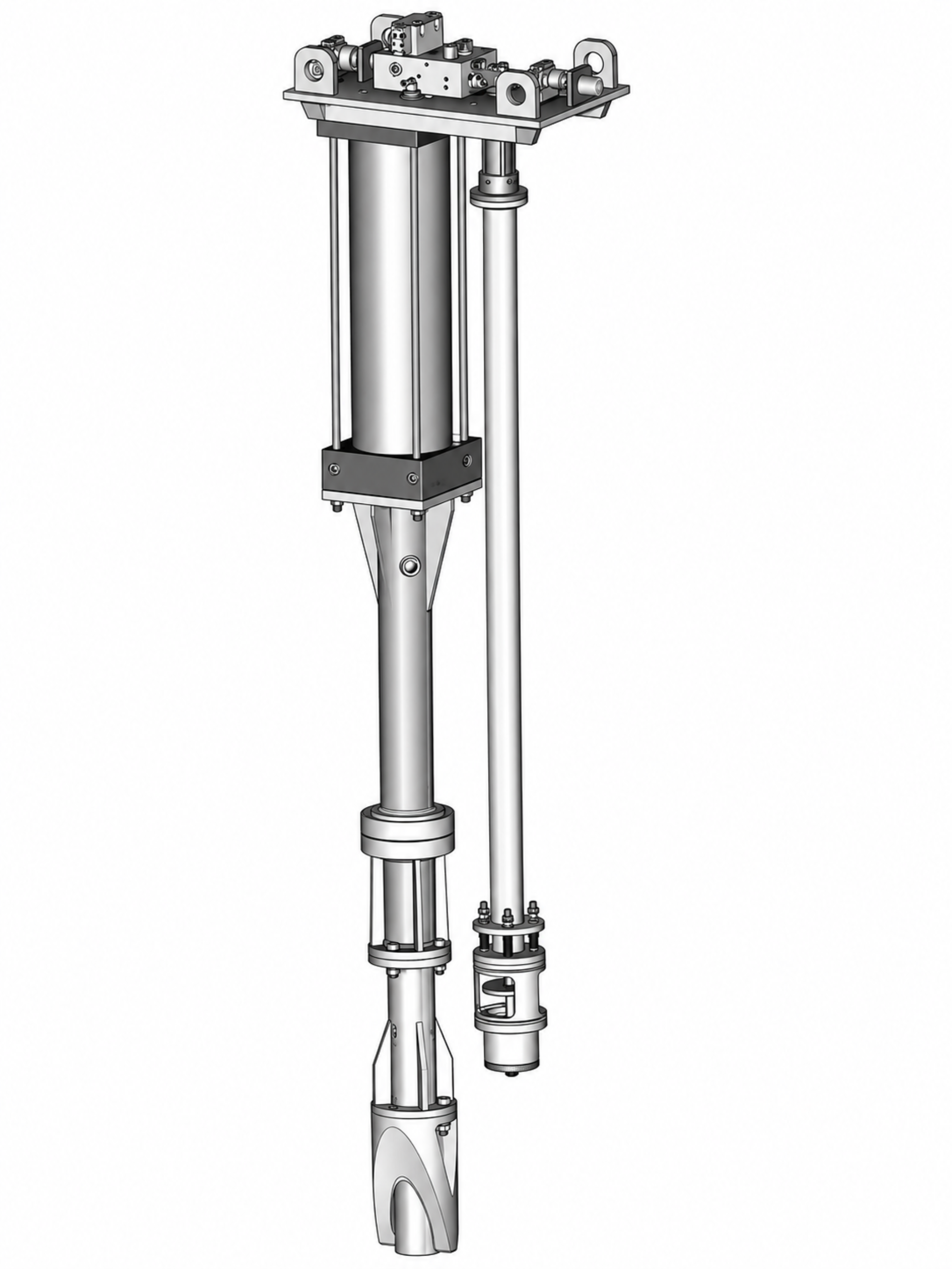
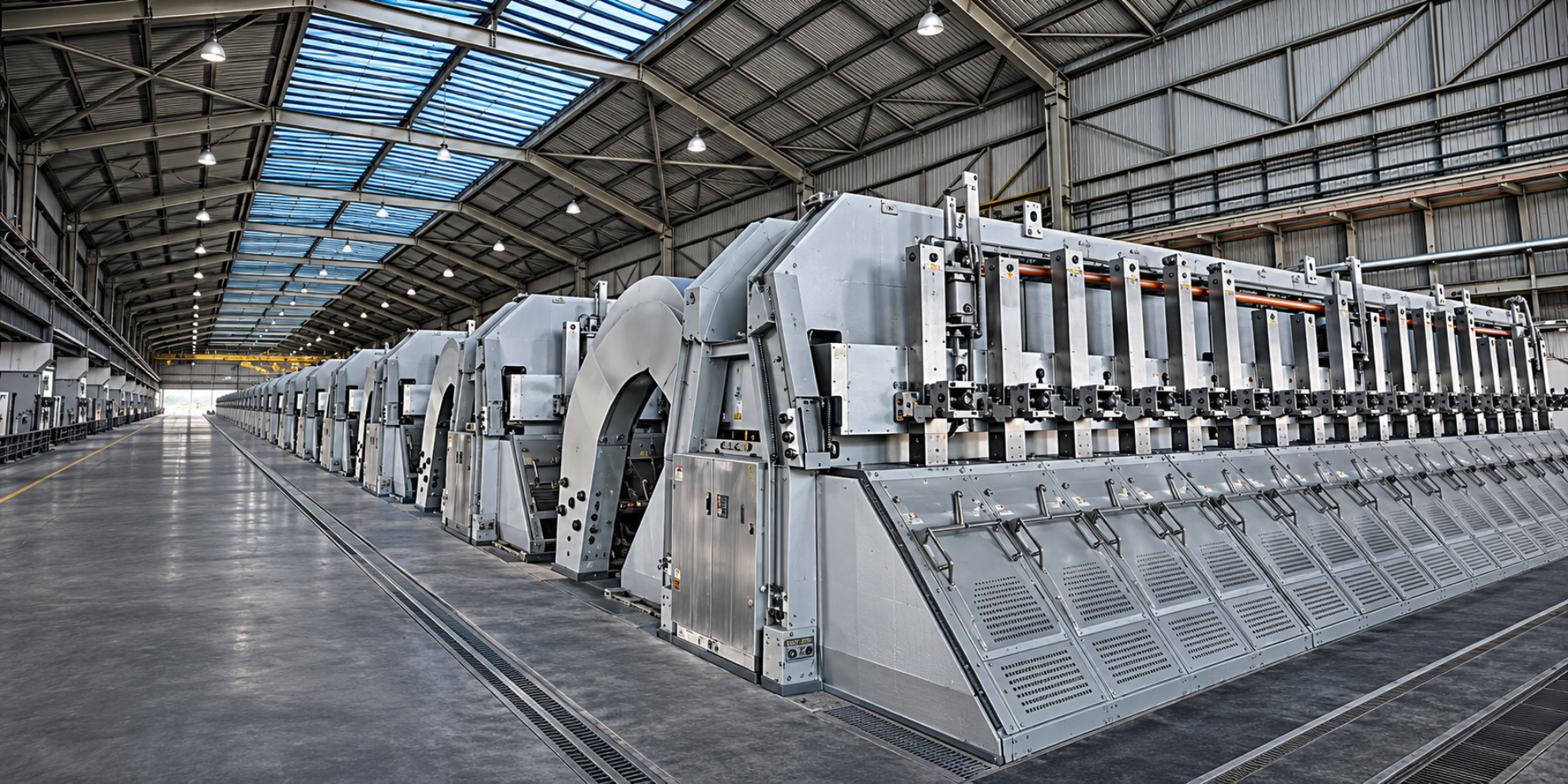
In aluminium smelting, pneumatic crust breaker cylinders play an important role in pot operations. These cylinders rely on high-pressure compressed air to operate reliably, placing demanding requirements on the pneumatic components that control and distribute the air supply.
Operating above molten aluminium, these components must withstand elevated temperatures while maintaining pressure integrity and mechanical strength. For one such application, Dotmar Engineering Plastics identified a specialised PTFE solution to address air permeation through the original manifold material.
The Challenge
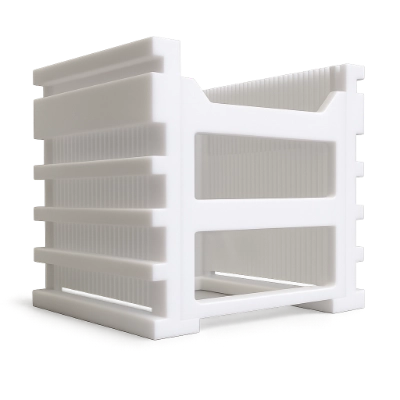
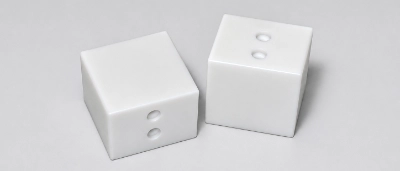
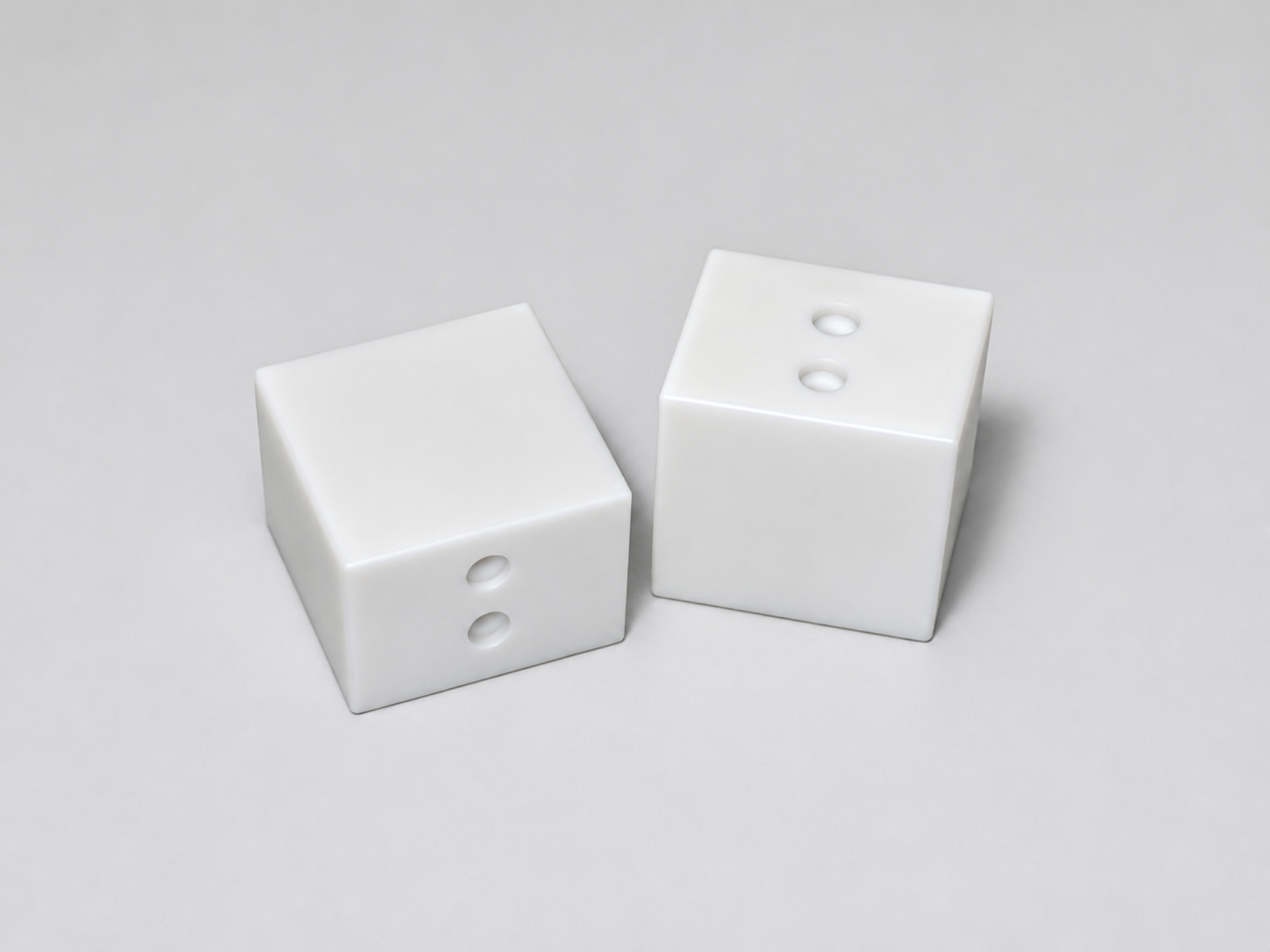
The pneumatic manifolds used to supply compressed air to the crust breaker cylinders were originally manufactured from glass-filled PTFE. PTFE was selected for its ability to withstand the elevated operating temperatures, while glass reinforcement provided the additional mechanical strength required for the application.
Although the material offered suitable thermal and mechanical properties, a significant problem emerged during operation: high-pressure air was permeating through the glass-filled PTFE material.
This loss of compressed air reduced the efficiency of the pneumatic system. To compensate for the pressure loss, the compressors had to work harder to maintain the required system pressure, increasing energy consumption and operating costs.
The challenge was to retain the temperature resistance and mechanical performance of PTFE while preventing air from permeating through the manifold body.
The Dotmar Solution
Dotmar recommended Tetco V as the base polymer (while still maintaining the glass filler), a specially modified PTFE grade designed to eliminate the air permeation issue experienced with the standard PTFE material.
The operating temperature of the manifold was understood to be no greater than approximately 200°C, despite its location above the molten aluminium. This made PTFE a practical and cost-effective material choice compared with more expensive high-temperature engineering polymers.
By selecting a modified PTFE grade suited to the application, Dotmar addressed the underlying material limitation without unnecessarily moving to a significantly more expensive polymer.
The result was a material solution designed to maintain the required high-temperature performance while improving the pneumatic system's ability to retain pressure.
The Result
The adoption of Tetco V provided a targeted solution to a material-related performance problem in a demanding industrial environment.
Key benefits of the material selection included:
- Reduced air permeation: Addressing the loss of compressed air through the manifold material.
- Improved pneumatic efficiency: Helping the system retain pressure and reducing the need for compressors to compensate for air losses.
- High-temperature capability: Retaining the thermal performance required for operation above molten aluminium.
- Cost-effective material selection: Utilising a specialised PTFE grade rather than moving to a substantially more expensive high-temperature polymer.
- Application-specific engineering: Matching the material to the actual operating conditions and performance requirements of the component.
Engineering Insight
Selecting an engineering plastic for a high-temperature application involves more than assessing its maximum service temperature or mechanical strength. The material must also perform reliably under the specific operating conditions, including pressure, temperature and the consequences of any material permeability.
In this application, the original glass-filled PTFE provided the required mechanical strength and temperature resistance, but air permeation created an operational inefficiency. Selecting Tetco V as the base polymer and compounding glass into the material, utilising Dotmar's in-house PTFE compounding facility, allowed Dotmar to address this specific limitation while retaining the advantages of a PTFE-based solution.
The key lesson: understanding how a material behaves in service can be just as important as understanding its published mechanical and thermal properties.
Need Help With a Challenging Engineering Plastics Application?
Dotmar Engineering Plastics combines material selection expertise with custom machining capabilities to help customers resolve demanding engineering challenges. By understanding the application and identifying the underlying cause of material-related problems, Dotmar can help develop practical, cost-effective solutions for improved equipment performance and reliability.
Contact Dotmar to discuss your application and identify the right engineering plastic for your operating conditions.
Contact us
Dotmar Engineering Plastics stands poised to address your unique challenges. Harness our expertise for bespoke engineering plastic solutions tailored to your specifications.