In bulk material handling, poor flow through hoppers and chutes can quickly become an operational headache. Material build-up, blockages and inconsistent discharge can interrupt production, increase maintenance requirements and create additional risks for personnel clearing obstructions.
While these problems are often attributed to the material being handled, the interaction between the bulk material and the equipment surface can also play an important role. Understanding this relationship is key to selecting an effective lining solution.
Understanding the Causes of Poor Material Flow
Several factors influence how freely bulk materials move through a hopper or chute, including particle size, moisture content, material cohesion, wall friction and equipment geometry.
Two common problems are bridging, where material forms an arch over an outlet and prevents discharge, and rat-holing, where material flows through a central channel while surrounding material remains stationary.
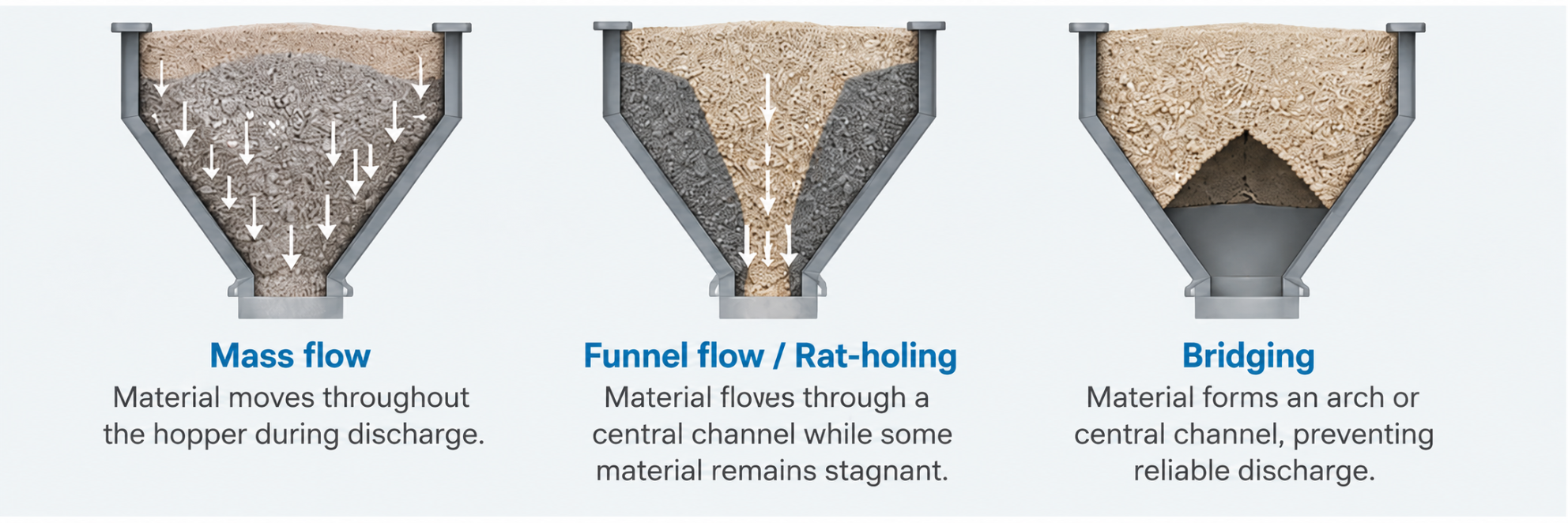
Material can also accumulate on hopper walls and chute surfaces, progressively restricting flow and increasing the need for manual intervention.
Although liner selection can help address these issues, no liner can compensate for every design limitation. Hopper angles, outlet dimensions and the characteristics of the material being handled must also be considered.
Why Liner Selection Matters
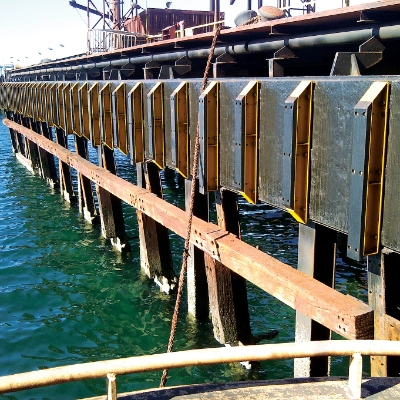
The surface characteristics of a hopper or chute liner influence the resistance experienced as material moves across it. A liner with a very low coefficient of friction can help reduce sliding resistance, while suitable wear resistance can support reliable performance in demanding bulk handling applications.
Selecting a liner therefore involves more than simply choosing a material that resists abrasion. Engineers need to consider the combined requirements of material flow, wear, impact, operating temperature and the specific conditions within the equipment.
Installation is equally important. Poorly aligned panels, exposed fasteners or gaps between sections can create points where material catches and accumulates, undermining the benefits of an otherwise suitable lining material.
Polystone Matrox: Engineered for Flow Promotion
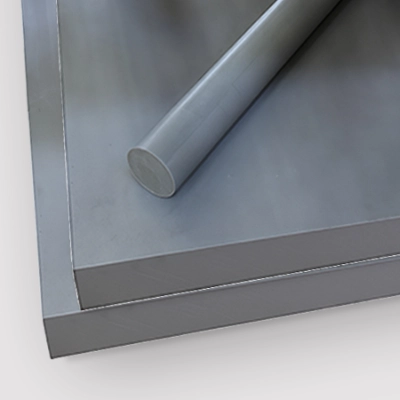
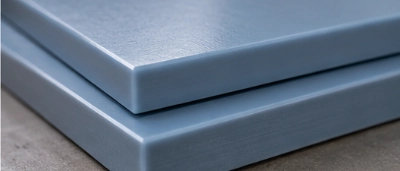
Polystone Matrox® is based on ultra-high molecular weight polyethylene (UHMWPE), with a molecular weight of approximately 9.2 million g/mol, compared with the industry norm of around 5 million g/mol.
This higher molecular weight contributes to Matrox's excellent wear performance. Comparative Sand Slurry testing, in accordance with DIN EN ISO 15527, gives Matrox a value of approximately 80, compared with 100 for industry-normal grades. This supports a 25% lower wear rate for Matrox, providing a potential advantage in applications where liner wear and maintenance requirements are key considerations.
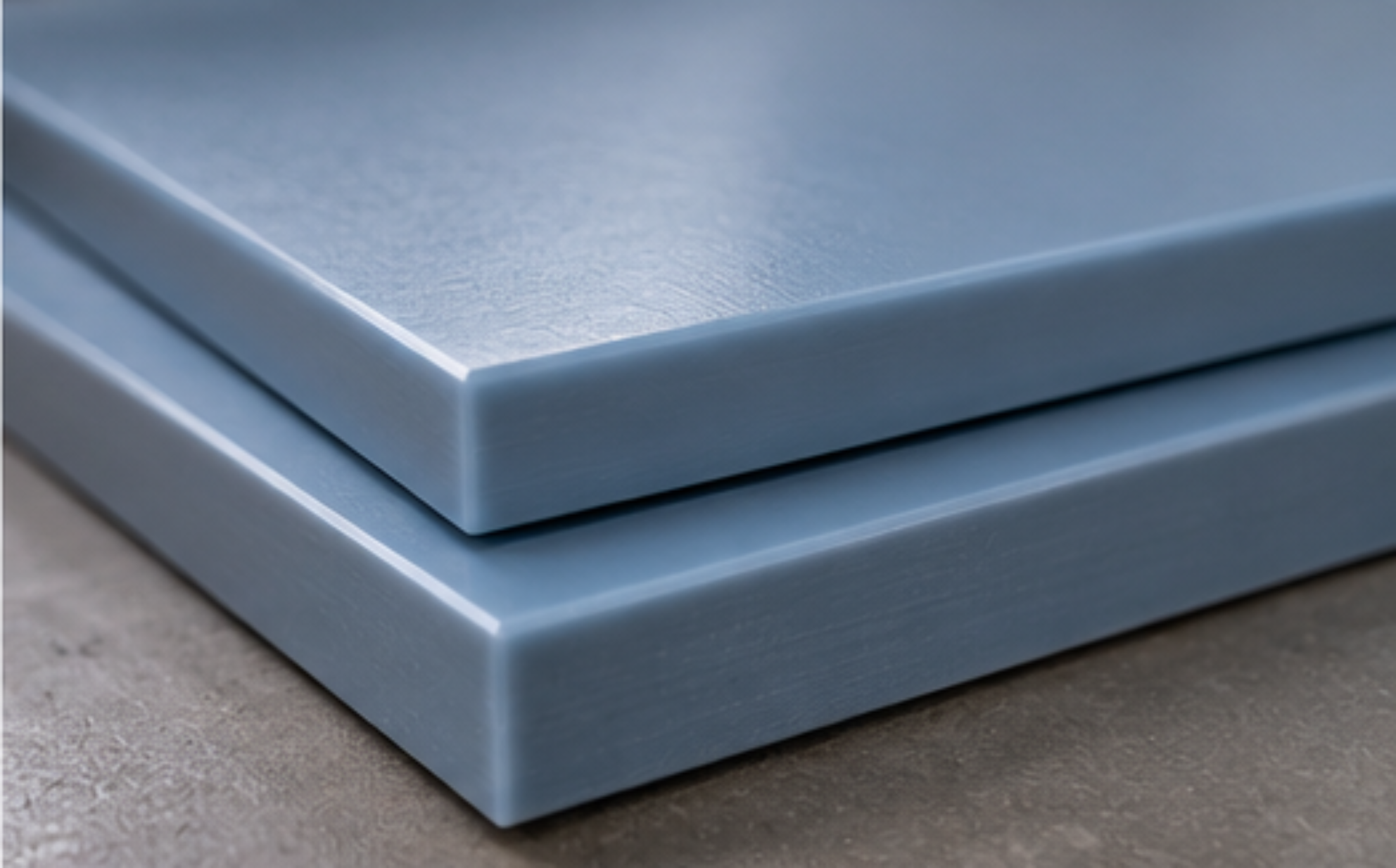
Matrox is also specially formulated for flow promotion lining applications. Its additives provide enhanced release properties compared with conventional flow promotion lining materials, helping bulk material release more readily from the liner surface.
Combined with its extremely low coefficient of friction and very good abrasion and wear resistance, Matrox is designed to address two important challenges in bulk material handling: maintaining material flow and managing liner wear.
These characteristics make Matrox worth considering for hopper and chute applications where material build-up, flow reliability and wear performance are key concerns.
Getting the Application Right
Before selecting a liner, it is worth understanding the problem the installation needs to solve.
Is the primary issue material sticking to the walls, excessive wear, recurring blockages or inconsistent discharge? What material is being handled, and how do moisture, particle size and operating conditions affect its behaviour? Could hopper geometry or outlet dimensions also be contributing to the problem?
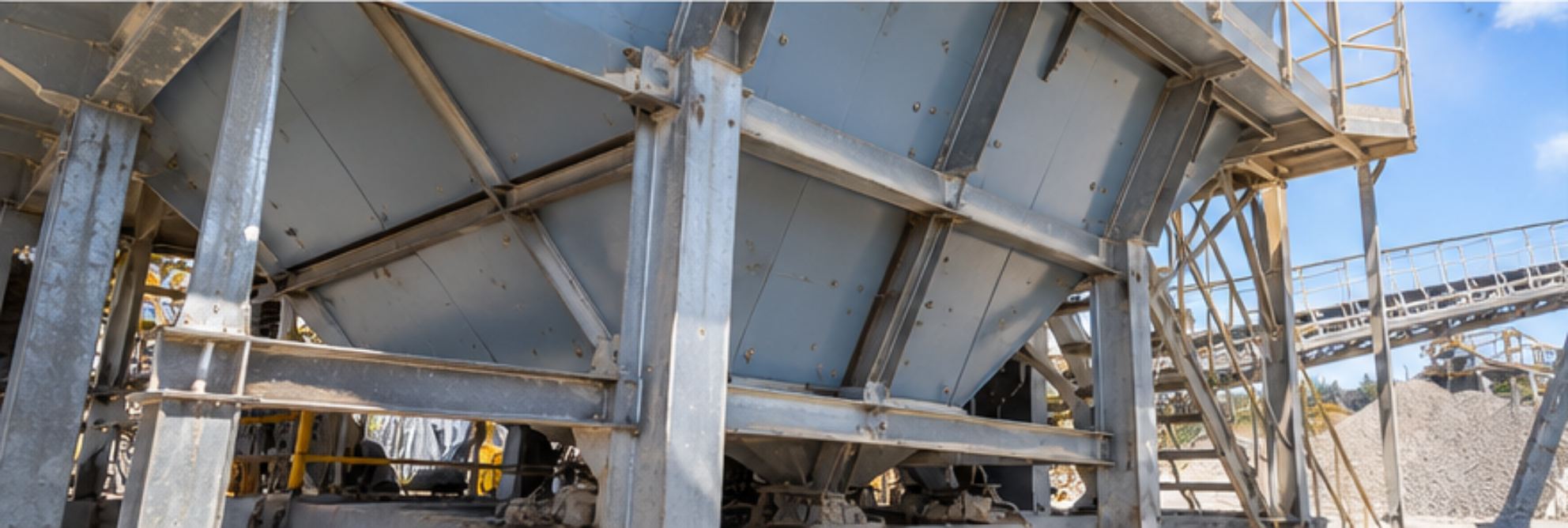
Answering these questions helps determine whether a change in liner material is likely to improve performance or whether additional design changes are required.
The takeaway: Effective flow promotion is about matching the liner to the material, the equipment design and the operating environment. With its high molecular weight UHMWPE base and specially formulated release properties, Polystone Matrox offers a purpose-designed option for demanding hopper and chute lining applications.
Dotmar can assist with material selection for hopper and chute lining applications, helping customers identify a solution suited to their operating requirements.