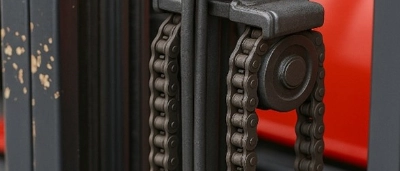
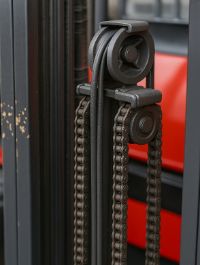
What are hose guides for forklifts?
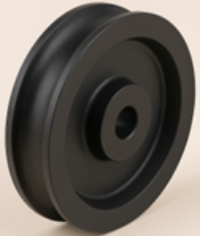
Hose guides for forklifts are designed to control and protect hydraulic hoses as the mast raises, lowers, and tilts during operation. They keep hoses correctly routed and supported, preventing them from snagging, kinking, rubbing, or being crushed by moving components. By maintaining proper hose alignment and bend radius, hose guides reduce wear, leaks, and unexpected failures, improving safety, extending hose life, and minimizing downtime and maintenance costs in material‑handling environments.
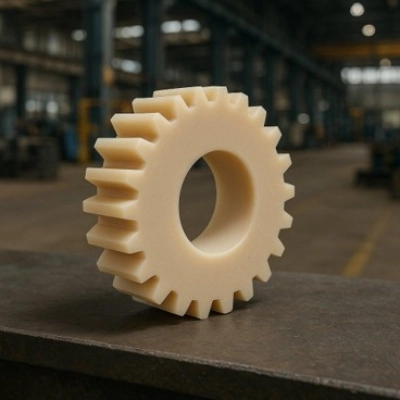
Benefits of Ertalon 6XAU over steel for use as hose guides for forklifts:
- Reduced wear on hoses and cables
- Low friction and smoother operation
- Noise reduction
- Corrosion resistance
- Weight reduction
- Excellent machinability and design flexibility
- Long service life with minimal maintenance
- Cost effectiveness over the lifecycle
The Dotmar Difference:
- 3D Scanning and reverse engineering capabilities.
- Local production and manufacturing.
- Product customisation.
Contact us
Dotmar Engineering Plastics stands poised to address your unique challenges. Harness our expertise for bespoke engineering plastic solutions tailored to your specifications.
Insights
Water Absorption of Nylons Pros, Cons and Busting Myths
Tips for Turning and Drilling Engineering Plastics
Significantly Reduce Your Hangup and Carryback to Optimise Your Mining Operations
What Is PTFE? Engineering Guide to Polytetrafluoroethylene
Plastic Manufacturing Techniques: Injection
Moulding vs Machining vs Custom Casting
Why use Engineering Plastic Bearings and Bushes?

Flametech AST vs AST vs P7000 Article
Plastic Abbreviations
Plastics Properties Table

Plastics Designing for Thermal Expansion
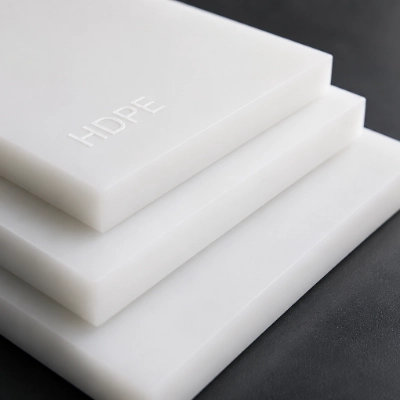
What Is HDPE?

Antistatic vs Static Dissipative Plastics
REXNORD curve system with 1540 series MatTop
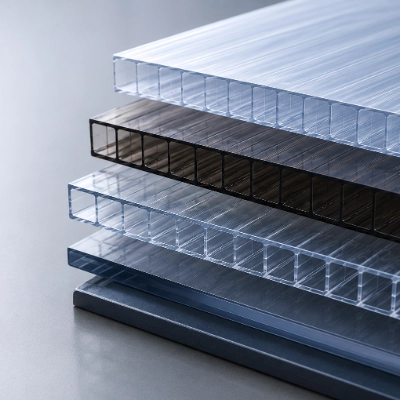
What is Polycarbonate
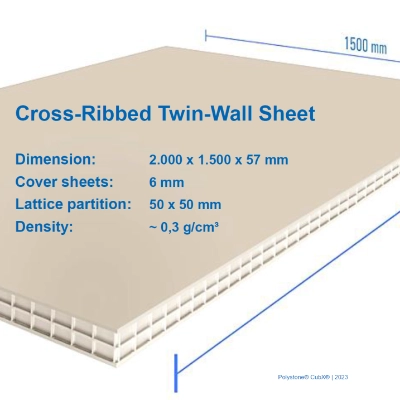
Polystone CubX A Revolution in Rectangular Thermoplastic Tanks

Plastic Technical Tip-Water absorption in Nylon
Performance Pyramid
UHMWPE-Why Does Molecular Weight matter?
HDPE vs PP vs PVC
What is Nylon
Vibratory Conveyor Systems in the Food Industry
Understanding Friction in Plain Bearings and Bushes
Understanding PFAS and the Role of “Polymers of Low Concern” in Engineering Plastics

Sustainability in Practice: Recycling Plastics at Dotmar Injection
Moulding

How To Cut Polycarbonate Sheet

How Is Nylon Produced? Complete Engineering Manufacturing Guide
High‑Performance Coated Fabrics & Conveyor Belting
PE80 vs PE100 HDPE
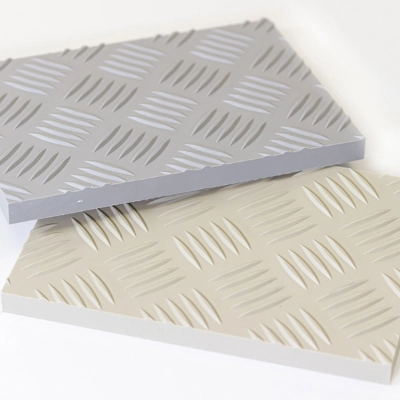
Dual-Finish HDPE Sheet: One Surface, Two Smart Benefits
What Is PTFE? Engineering Guide to Polytetrafluoroethylene
What is Nylon
Vibratory Conveyor Systems in the Food Industry
How Is Nylon Produced? Complete Engineering Manufacturing Guide

Rochling-Reloop: Leading the Way in Sustainable Plastics
High‑Performance Coated Fabrics & Conveyor Belting
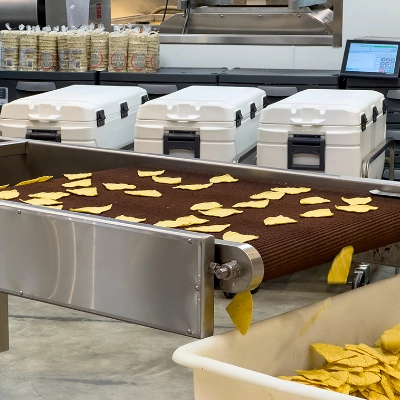
PTFE Coated Glass Fabric – Tortilla & Flat Bread baking Applications
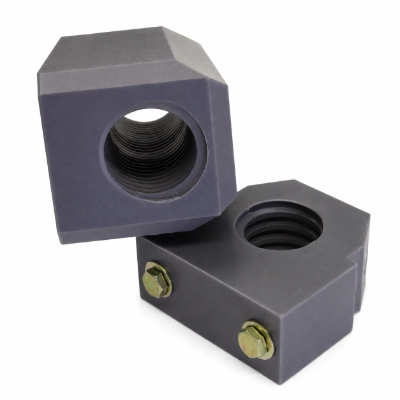
Nylon – The Great All-Rounder of Engineering Plastics
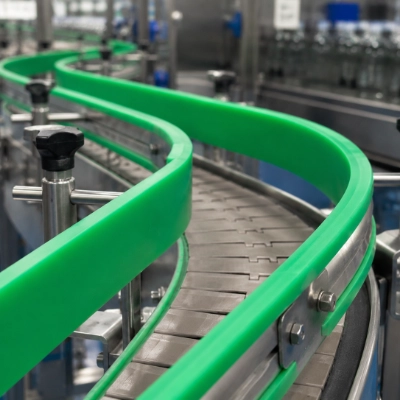
Polyethylene Moisture Resistance in the Food Industry
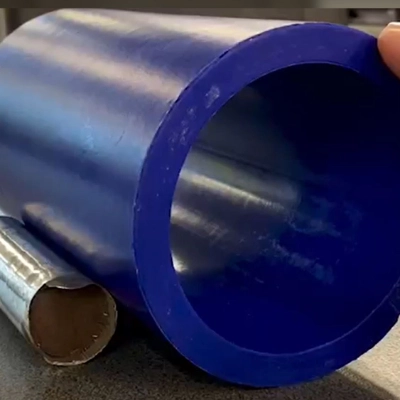
Ticomp MD – Detectable PTFE for Demanding Food Industry Applications
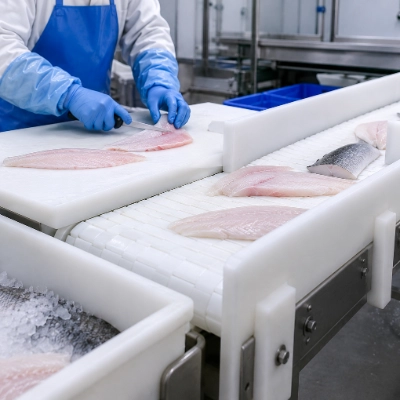
HDPE: The Versatile Engineering Plastic for the Food Industry
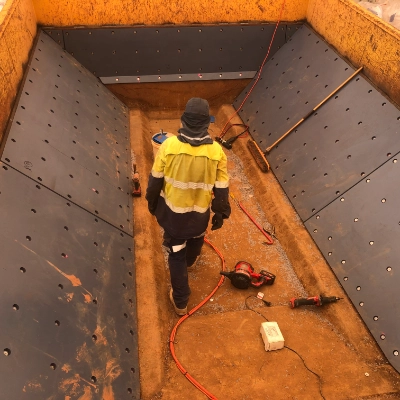
Mining Lining
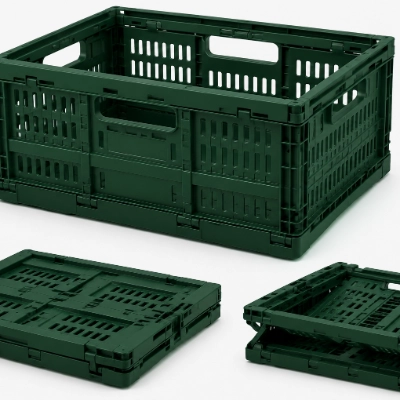
HDPE Collapsible Containers Supporting Click n Collect
PE80 vs PE100 HDPE
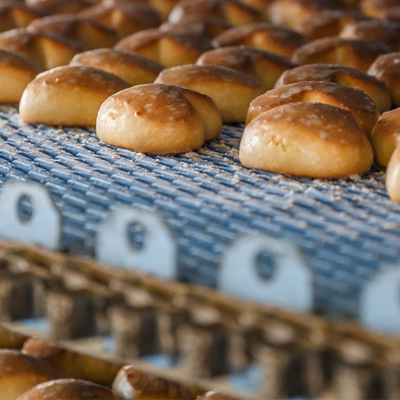
Conveyor Products & Total Solutions for the Food and Beverage Processing & Packaging Industries
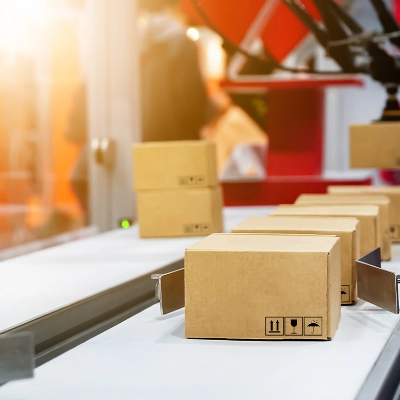
Resistawear: Low Friction and Abrasion Resistant Tape
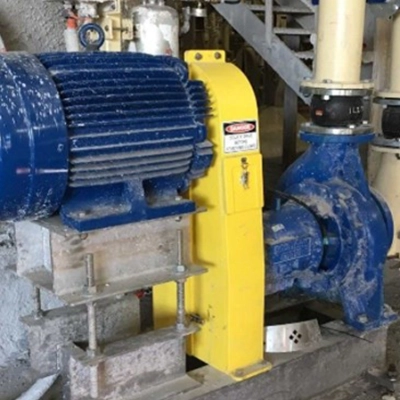
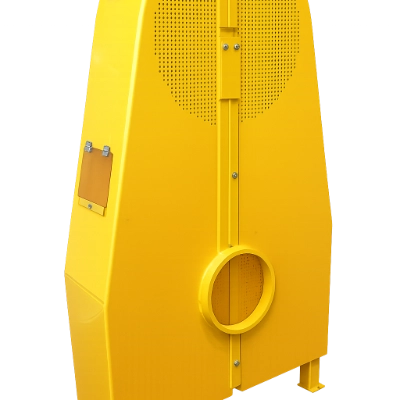
Plastic Machine Guarding - Managing the Risks of Plant in the Workplace
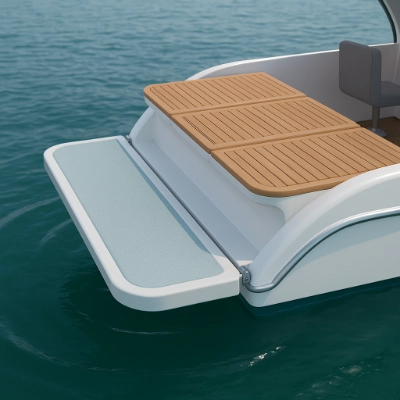
Polystone G Checkerplate - Boat Applications
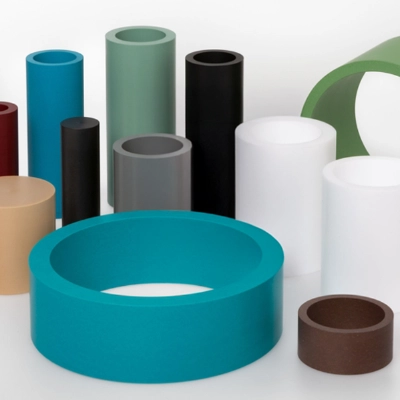
Dotmar PTFE: Benefits & Capabilities
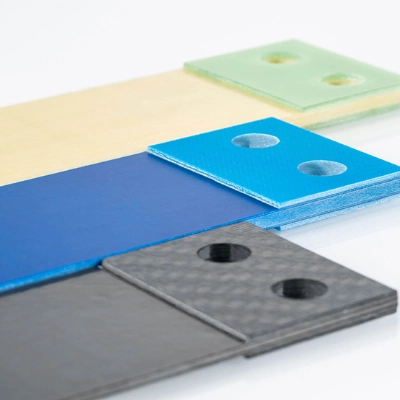
Fibre Composite Vibratory Springs: High-Performance Spring Technology for Modern Vibratory Systems
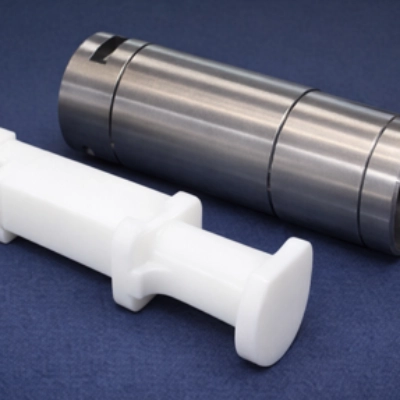
PETP - The Engineering Plastic That Excels in Bearing Wear Applications

Sentinel Boats: Pioneering Defence Durability with Polystone PG100 HDPE
What Is PTFE? Engineering Guide to Polytetrafluoroethylene
Plastic Manufacturing Techniques: Injection
Moulding vs Machining vs Custom Casting
What Is HDPE?
What is Polycarbonate
What is Nylon
Vibratory Conveyor Systems in the Food Industry
How To Cut Polycarbonate Sheet
How Is Nylon Produced? Complete Engineering Manufacturing Guide
High‑Performance Coated Fabrics & Conveyor Belting
Polyethylene Moisture Resistance in the Food Industry
Ticomp MD – Detectable PTFE for Demanding Food Industry Applications
HDPE: The Versatile Engineering Plastic for the Food Industry
HDPE Collapsible Containers Supporting Click n Collect
PE80 vs PE100 HDPE
Plastic Machine Guarding - Managing the Risks of Plant in the Workplace
Polystone G Checkerplate - Boat Applications
Fibre Composite Vibratory Springs: High-Performance Spring Technology for Modern Vibratory Systems
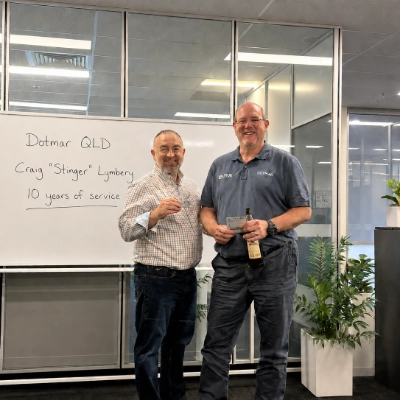
Craig “Stinger” Lymbery
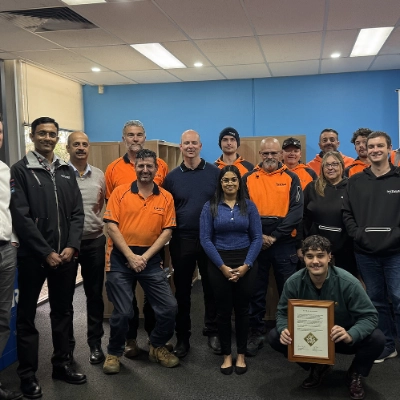
Dotmar Victoria Receives PACCAR Kenworth Quality Award

From The Netherlands to Queensland: Cindy Kokkelkoren’s Journey with Dotmar Engineering Plastics
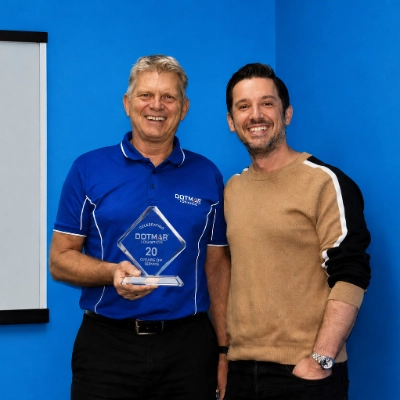
Life of Mick De Reus
Plastic Manufacturing Techniques: Injection
Moulding vs Machining vs Custom Casting
Why use Engineering Plastic Bearings and Bushes?
Plastic Abbreviations
Plastics Properties Table
Plastics Designing for Thermal Expansion
What Is HDPE?
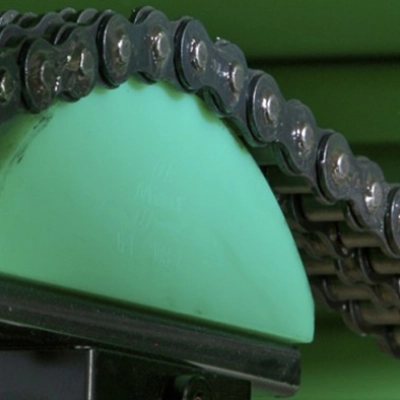
Chain Tension-Right, or Short Chain Life
What is Polycarbonate
Polystone CubX A Revolution in Rectangular Thermoplastic Tanks
UHMWPE-Why Does Molecular Weight matter?
High‑Performance Coated Fabrics & Conveyor Belting
Polyethylene Moisture Resistance in the Food Industry
Ticomp MD – Detectable PTFE for Demanding Food Industry Applications
HDPE: The Versatile Engineering Plastic for the Food Industry
HDPE Collapsible Containers Supporting Click n Collect
PE80 vs PE100 HDPE
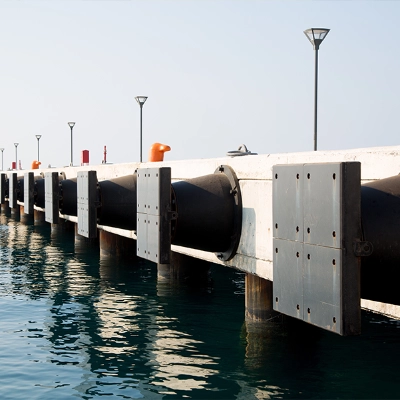
Low Friction Wear Pads
Polystone G Checkerplate - Boat Applications
Craig “Stinger” Lymbery
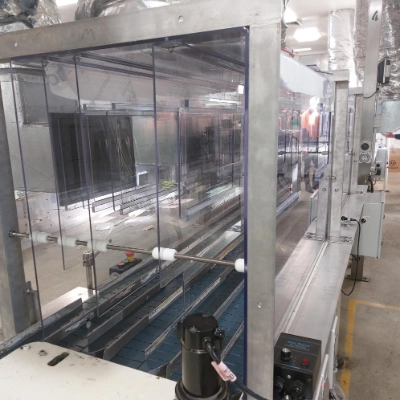
Cooling Tunnel for Hot Filling Line
Dotmar Victoria Receives PACCAR Kenworth Quality Award
From The Netherlands to Queensland: Cindy Kokkelkoren’s Journey with Dotmar Engineering Plastics
Life of Mick De Reus
Craig “Stinger” Lymbery
Why Local Manufacturing is the Smarter Choice in 2025
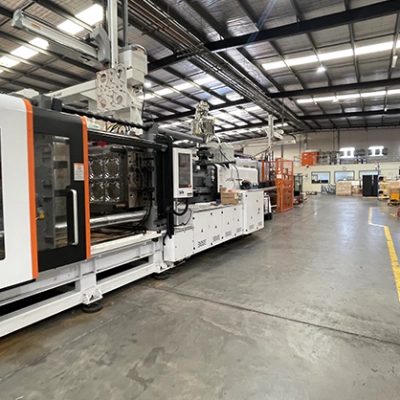
Dotmar Injection Moulding
Dotmar Victoria Receives PACCAR Kenworth Quality Award
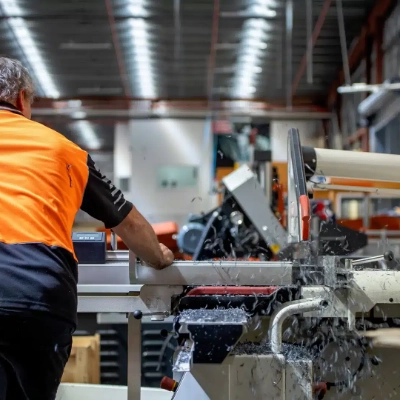
Dotmar Engineering Plastics Acquires Kormax Plastics Division
From The Netherlands to Queensland: Cindy Kokkelkoren’s Journey with Dotmar Engineering Plastics
Computaleta
Joins MM Plastics to Strengthen Market Reach and Customer Support in New
Zealand
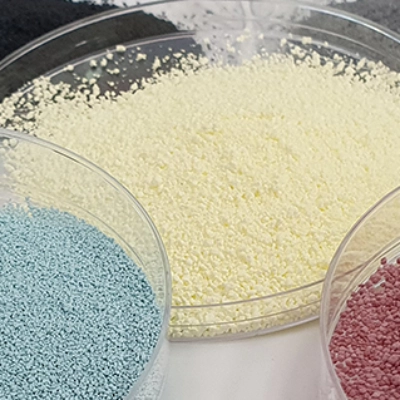
Dotmar Engineering
Plastics Expands Capabilities with Fluoro Pacific Consolidation
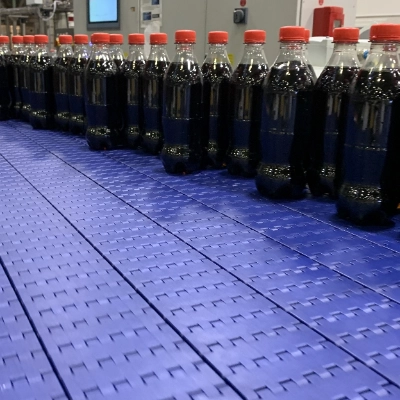
Regina - Exclusive to Dotmar Engineering Plastics
MM Plastics Invests in New Victorian Super Site
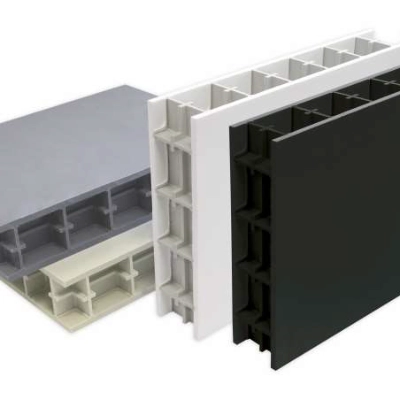
Comparing the technical and commercial benefits of Polystone P CubX for rectangular plastic fabricated tanks and vessels
Cooling Tunnel for Hot Filling Line
Sentinel Boats: Pioneering Defence Durability with Polystone PG100 HDPE
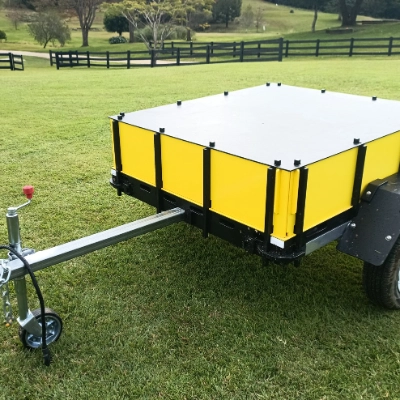
Smart Poly Trailers: Pioneering Plastic Trailers Built from Polystone 300